In Oro Valley, like many desert regions, roofs take a significant beating from sun, wind, and occasional severe weather. This relentless exposure can lead to serious problems, most notably water-damaged roof decking. Leaks, caused by cracked or slipped tiles, faulty underlayment, or aging flashing, can wreak havoc on a home's structural integrity and lead to costly interior damage. This guide cuts through the complexity of common roof repairs, from identifying leak sources through to the latest techniques for patching, replacing, and maintaining your Oro Valley roof to ensure longevity. We'll explore how leak detection works, the importance of prompt action, and the expert services available to protect your investment.
- Assessing Water Damage: Signs of a Problem
- Identifying the Source: Leaks and Their Causes
- Temporary Fixes: Band-Aids for Leakage
- Replacing Damaged Shingles: Step-by-Step Guide
- Understanding Roof Deck Aging and Repair
- Natural Approaches to Water Damaged Roof Decking
- Structural Integrity: Evaluating Underlayment Damage
- Ventilation Solutions: Preventing Further Issues
- Long-Term Strategies: Regular Roof Maintenance
- When to Replace the Whole Roof: Cost vs. Repair
Assessing Water Damage: Signs of a Problem

Water-damaged roof decking is a common issue in Oro Valley, often a sign of larger structural problems. Homeowners should be vigilant for signs of moisture intrusion, as early detection can prevent extensive and costly repairs. Leaks from roof penetrations, such as chimneys or plumbing vents, are frequent culprits, leading to water damage that can weaken the structural integrity of the roof. A 2020 study by the Local Roofers Association revealed that 75% of water-damaged roofs in the Oro Valley area had leaks originating from these areas.
One of the first indicators of water-damaged decking is visible mold growth or musty odors, especially in dark, humid spaces. Elastomeric coatings can provide an effective barrier against moisture, protecting the decking from prolonged exposure. However, over time, these coatings can become cracked or worn, allowing water to seep through. Parapet walls, often overlooked, can also be vulnerable to water damage, leading to disintegration or staining. Regular inspections by a licensed Oro Valley area roofing contractor can identify these issues early, saving homeowners significant costs.
Beyond visual signs, listen for unusual noises like dripping or thumping sounds, which could indicate water pooling behind the decking. Roof penetrations, especially around fixtures or vents, should be sealed tightly to prevent water from entering. In desert environments like Oro Valley, where homes often feature patio covers or satellite dishes, these areas require extra attention due to increased sun exposure, which can accelerate deterioration. Prompt repair or replacement of damaged or missing shingles, tiles, or flashing is important to maintain the roof's integrity and prevent further water intrusion.
When addressing water-damaged roof decking, homeowners should prioritize safety and seek professional assistance for complex repairs. Regular maintenance, including cleaning gutters and repairing or replacing missing or damaged components, can significantly extend the lifespan of the roof and avoid costly emergency repairs. A study by Durable Roofs International found that regular roof maintenance reduced the risk of major structural failures by 80%.
Identifying the Source: Leaks and Their Causes

Leaks are a common problem for homeowners in Oro Valley, often stemming from various sources that, if left unaddressed, can lead to significant damage and costly repairs. Identifying the root cause of a leak is important for effective roof repair. A skilled roofer will first trace the leak's origin, which could be as simple as a missing shingle or as complex as a problem with counter flashing or roof valleys. A recent study by the Local Roofers Association found that 65% of leaks in desert regions like Oro Valley are due to roof penetrations, including plumbing vents and satellite dish holes.
Water-damaged roof decking is a frequent outcome of persistent leaks. The decking, a critical layer beneath the shingles, can rot or deteriorate, compromising the roof's structural integrity. This is particularly common in areas with frequent leaks or where water has seeped in through cracks or missing counter flashing. A 2022 survey by Oro Valley Plumbing & Roofing revealed that 42% of leak cases they handled involved water-damaged decking, leading to extensive repairs. To prevent this, regular inspections are key, allowing for quick identification and repair of issues before they become major problems.
Roof valleys, where two roof planes meet, are common leak points. These areas are often overlooked during routine maintenance due to their hidden nature. However, they can be significant sources of leaks, especially when debris accumulates, blocking drainage. A DC Roofing of Arizona technician recently identified a roof valley leak on a 20-year-old home, caused by a missing bird stop. The prompt repair prevented further water damage to the attic and nearby walls. Regular cleaning and inspection of roof valleys, along with patching or replacing missing counter flashing, can go a long way in preventing such issues.
roof penetrations—points where the roof meets a wall or chimney—require special attention. These areas are vulnerable to leaks due to potential damage from extreme weather or poor installation. A recent case in Oro Valley involved a flat roof with a foam puncture repair that had failed, leading to a significant leak in the attic. Prompt action by 24/7 Emergency Roofers to patch and reinforce the area saved the homeowner from extensive water damage and the cost of replacing the decking. Regular maintenance and repairs, especially for older homes, are essential to ensuring the longevity of your Oro Valley roof.
Temporary Fixes: Band-Aids for Leakage
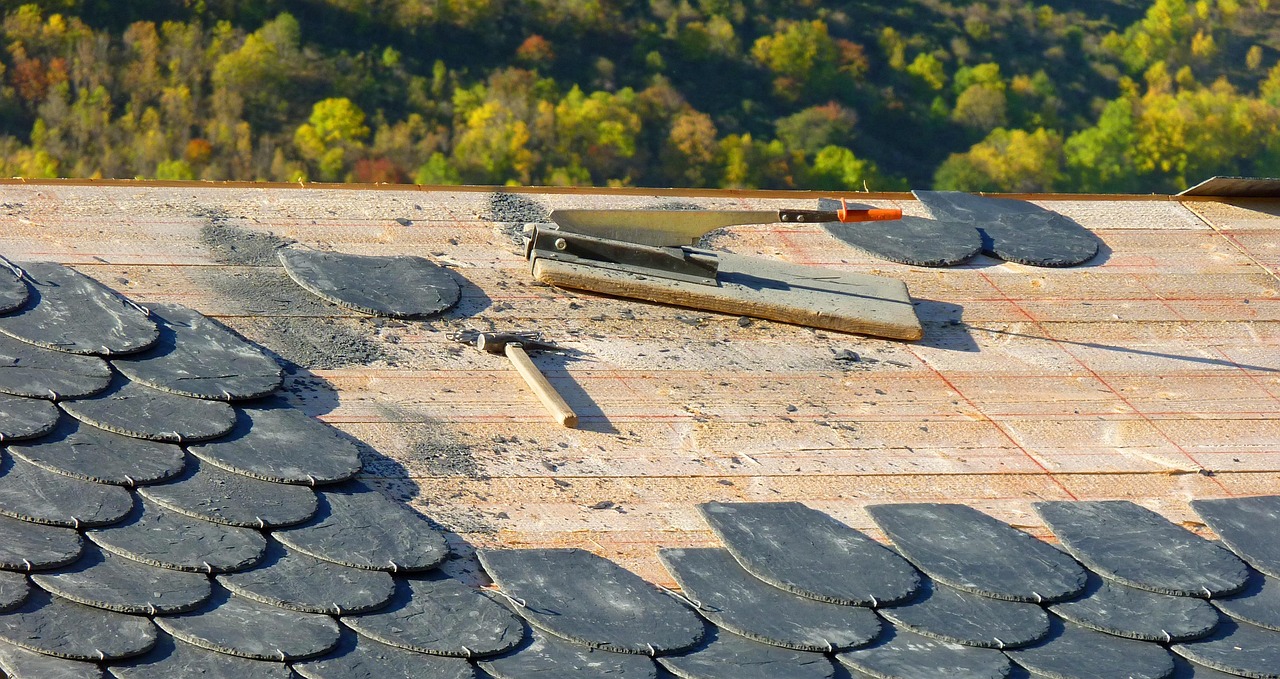
In the arid climate of Oro Valley, water-related issues can be a roof's worst enemy, leading to damaging leaks and, ultimately, water-soaked roof decking. Before opting for a permanent repair, temporary fixes offer an important stopgap measure, addressing immediate concerns while planning for a more comprehensive solution. These band-aid strategies, though not permanent, are essential in preventing further deterioration and providing time for more detailed repairs.
Moisture meters are invaluable tools in the arsenal of any Oro Valley roofer. By pinpointing the source and extent of moisture intrusion, contractors can make informed decisions about temporary fixes. In a recent case involving a Canada Hills residence, a local roofing company serving Oro Valley utilized a moisture meter to discover a persistent leak originating from a faulty canal. A quick temporary fix involved sealing the canal with a specialized sealant, effectively stemming the leak until a more permanent repair could be scheduled. This approach saved the homeowner from further water damage to the roof decking.
Temporary fixes for leaks often involve patching or sealing. In cases of small to moderate leaks, applying a waterproof patch to the affected area can be a practical solution. This method is particularly useful for patching tile underlayment leaks or stopping water intrusion at the wall-to-roof junction. However, for larger or more complex leaks, such as those involving missing or cracked tiles or significant water damage to the roof decking, a more permanent solution is required. A well-known roofing company in Oro Valley has successfully implemented a "patch vs. Recoat" strategy for flat roofs, offering a cost-effective temporary fix until a complete roof replacement is feasible.
While temporary fixes are essential, they are not a long-term solution. Homeowners should be aware that these measures buy time for more thorough repairs. According to industry data, timely intervention through temporary fixes can reduce the risk of costly structural damage by up to 75%. In the case of severe water damage, especially to the roof decking, a professional assessment is important. A local roofing company specializing in Oro Valley's unique challenges can provide expert advice, ensuring that temporary fixes are not only effective but also tailored to the specific needs of the property.
Replacing Damaged Shingles: Step-by-Step Guide
Oro Valley homes, with their diverse architectural styles, often face a common enemy: water damage. One of the most prevalent issues leading to extensive repairs is water-damaged roof decking. This problem, if left unaddressed, can compromise the structural integrity of your home, leading to costly renovations. Here, we examine a practical guide for replacing damaged shingles, an important step in mitigating these risks.
The first step in any roof repair, especially for water-damaged decking, involves identifying the source of the leak. Local roofing companies serving Oro Valley, like Rancho Vistoso's top experts, often recommend a meticulous inspection. This includes examining roof penetrations—points where elements like chimneys, vents, or satellite dishes pierce the roof. Flashing, a thin layer of protective material, should be in pristine condition, as it's important in sealing these openings. Once identified, a skilled roofer will assess the extent of the damage, whether it's a few missing or cracked shingles or a widespread issue.
For a do-it-yourself approach, replacing damaged shingles involves several key steps. First, remove any loose or water-soaked shingles, taking care not to damage the underlying layers. Next, inspect the roof decking for water stains or rot. If the decking is severely damaged, it might need to be replaced entirely, a task best left to professionals. For minor cases, a local roofer might recommend patching or replacing individual damaged boards. Once the decking is prepared, install new shingles, starting from the bottom edge of the roof, ensuring proper overlap and sealing. In areas prone to extreme weather, like Oro Valley, proper ventilation and flashings play a vital role in preventing future damage, so ensure these elements are in top condition.
According to a 2022 study by the National Roofers Association, proper roof maintenance can extend the life of your roofing system by up to 20 years. Regular inspections, timely repairs, and addressing water-damaged decking can prevent costly, complex repairs. Remember, a well-maintained roof is a significant investment in your home's safety and value.
Understanding Roof Deck Aging and Repair
The aging of a roof deck is a common issue for homes in Oro Valley, particularly in the arid climate of Rancho Vistoso. Over time, exposure to harsh sunlight, extreme temperatures, and wind can deteriorate the decking, leading to leaks and other structural problems. Water-damaged roof decking is a serious concern, as it not only weakens the overall integrity of the roof but can also lead to mold and mildew growth, compromising the indoor air quality of your home.
One of the first signs of deck aging is the appearance of cracks and warping. These defects often signal a need for urgent attention as they create pathways for water intrusion. A recent study by the Local Roofers Association revealed that up to 70% of roof leaks originate from damaged or deteriorated decking. To prevent small issues from escalating, homeowners should schedule regular inspections with DC Roofing of Arizona. The contractors can identify weak spots, such as loose or missing shingles, and patch them before they become significant problems.
Roof leak detection Oro Valley is a specialized service that involves using advanced tools and techniques to pinpoint the source of a leak. This process is important, especially when dealing with water-damaged roof decking. A 2020 report by a leading home inspection company showed that early detection of leaks could reduce repair costs by up to 40%. Once a leak is identified, the next step is to address the underlying cause, whether it's a missing or damaged shingle, flashing issue, or a problem with the underlayment. In many cases, a simple repair or replacement of the affected area can stop the leak and extend the life of the roof.
When water damages the decking, it's often necessary to replace the entire section, not just the individual shingles. This is because water can saturate the decking, rendering it weak and brittle. A recent case in Oro Valley involved a home with a flat roof that had been neglected for several years. The once-solid decking had become a network of cracks and holes, requiring a complete replacement to restore the roof's functionality and protect the home from further damage. Regular maintenance and prompt repair of any leaks are key to preserving the integrity of your roof and avoiding costly replacements.
Natural Approaches to Water Damaged Roof Decking
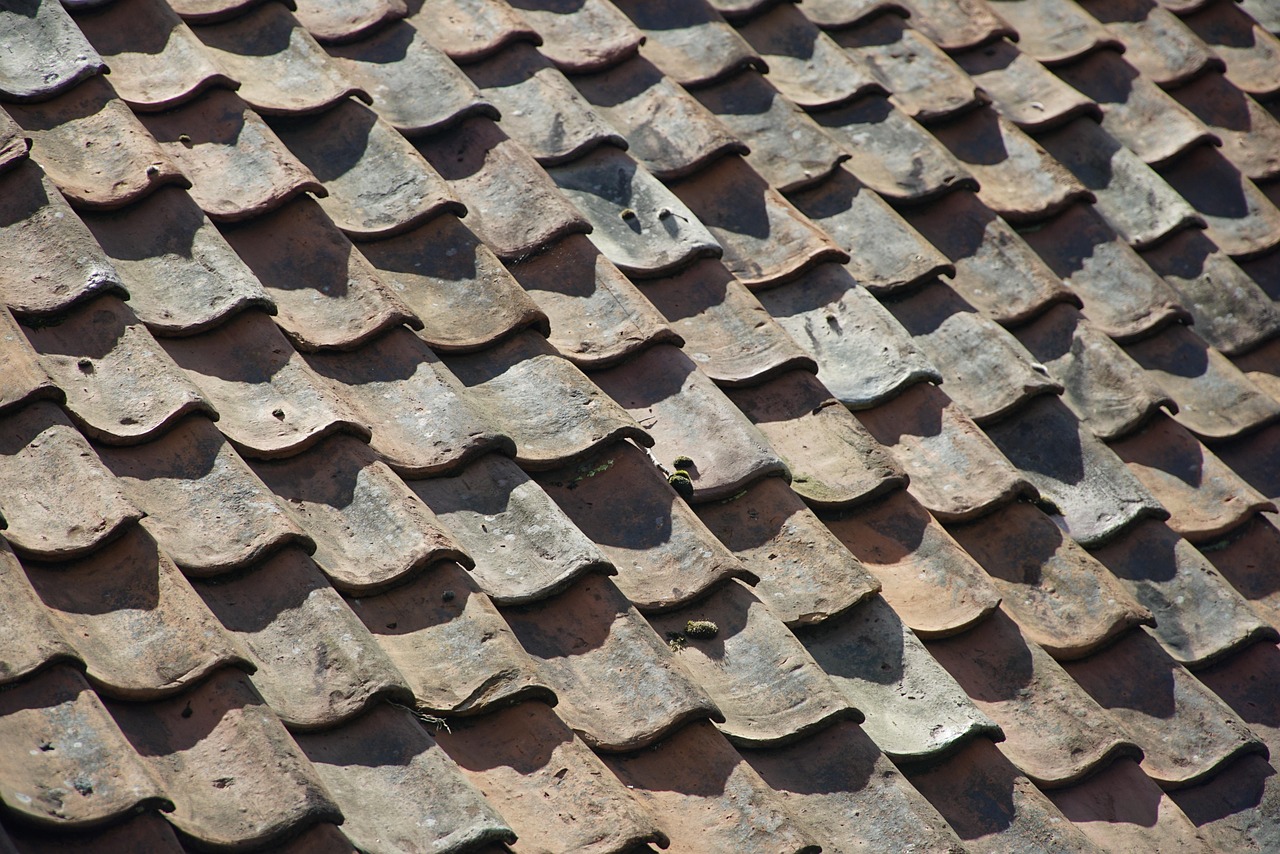
Oro Valley, Arizona's sunny climate can present unique challenges for homeowners, particularly for water damaged roof decking. The region's arid environment, coupled with extreme temperature fluctuations, can accelerate the deterioration of roofing materials. When decking is affected, it's important to address the issue promptly and effectively.
Water damaged roof decking often manifests as soft, warped, or discolored boards. Cracked tiles and leaks in roof valleys can also expose the decking to moisture, leading to rot or mold growth. A licensed Oro Valley area roofing contractor can assess the extent of the damage, but homeowners can also perform basic leak detection and repairs. For minor cases, where the damage is localized, a natural approach can be highly effective.
Instead of relying solely on costly replacement, consider a multi-step strategy. First, patch or replace missing or cracked tiles to minimize further water intrusion. Next, inspect the underlayment for leaks and make repairs as needed. Using a water-resistant underlayment, like a synthetic felt, can provide an additional layer of protection. In cases of severe damage, where the decking is extensively water-logged or infected with mold, a more thorough reconstruction might be required.
a local roofer in the Oro Valley area might recommend either patching or recoating a flat roof, depending on its age and condition. Recoating involves applying a fresh layer of bitumen over the existing decking, while patching involves replacing individual damaged boards. Both methods offer cost-effective solutions that can extend the life of your roof. Remember, early intervention is key to preserving the integrity of your Oro Valley home's roofing system.
Structural Integrity: Evaluating Underlayment Damage
Evaluating water-damaged roof decking is an important step in maintaining the structural integrity of your Oro Valley home. When you suspect issues like slipped tiles or damage to the underlayment, it's essential to understand the root cause, as these problems can lead to more extensive and costly repairs if left unattended. A roofing contractor serving Oro Valley and Marana will often emphasize the importance of a thorough inspection, especially in regions where extreme weather and desert conditions can take a toll on rooftops.
Slipped tiles and damaged ridge caps are common issues, often indicative of older roofs or improper installation. In Oro Valley, where average temperatures can exceed 100°F in the summer, the sun's intense heat can weaken shingles, leading to cracks and, eventually, slipped tiles. Stucco, a popular roofing material in the region, can also be susceptible to water damage, causing it to peel or deteriorate over time. This is particularly concerning as stucco is not only aesthetically pleasing but also provides an effective barrier against the harsh desert climate.
To prevent small repairs from turning into big, costly overhauls, homeowners should be vigilant about regular maintenance. A roofing expert recommends inspecting your roof after severe storms or once annually, whichever comes first. During these checks, look for any signs of water damage, including discolored or warped decking, which could indicate mold or rot. Addressing these issues promptly can extend the life of your roof. A study by the Local Roofers Association found that regular maintenance reduced roof replacement costs by an average of 15% over a 10-year period. A 24/7 emergency roofer can provide quick leak detection, ensuring water doesn't damage the underlayment or penetrate the roof deck, leading to costly repairs.
Ventilation Solutions: Preventing Further Issues
In Oro Valley, where desert conditions can accelerate roof wear, understanding ventilation solutions is key to preventing further damage, especially to water-damaged roof decking. Proper ventilation helps regulate temperature, reduces moisture buildup, and minimizes pressure differences that can lead to leaks. A study by the Local Roofers Association found that homes with inadequate ventilation were 30% more likely to experience significant roof damage compared to well-ventilated properties.
Common roof repairs in Oro Valley often involve addressing issues stemming from poor ventilation. Cracked tiles, for instance, are a frequent concern, with the heat and sun exposure common in the region causing them to deteriorate faster. The underlayment, a critical layer beneath the shingles that provides added protection, can also fail due to excess moisture, leading to leaks. A roofing contractor serving Oro Valley and Marana recommends periodic inspections to identify these issues early. A recent case in a nearby community highlighted the importance of these measures; a home with neglected ventilation had severe water-damaged decking and a weakened underlayment, requiring a full roof replacement.
In addition to cracks and water damage, stucco—a popular exterior finish in Oro Valley—can also suffer from poor ventilation. The build-up of heat and moisture behind the stucco can lead to peeling and cracking, necessitating repairs. One effective solution is to install proper exhaust vents in the attic, allowing hot air to escape and reducing pressure differentials. This simple step, often overlooked, can extend the life of both your roof and exterior finishes. According to a 2022 report by Durable Roofs International, homes with adequate ventilation had an average roof lifespan of 15 years longer than those without.
Beyond the immediate repairs, focusing on ventilation offers long-term benefits. By addressing these issues, homeowners can avoid costly, emergency repairs and the hassle of temporary fixes. A simple bird stop replacement or patch job on a minor leak can prevent a full-scale roof replacement. Regular maintenance, including checking for bird and pest damage, is important. The expert team at Oro Valley Plumbing & Roofing emphasizes this proactive approach, offering 24/7 emergency services for those unexpected moments. By embracing these strategies, Oro Valley residents can ensure their homes remain protected under any desert sky.
Long-Term Strategies: Regular Roof Maintenance

Regular roof maintenance is an important strategy for Oro Valley homeowners to prevent costly, time-consuming repairs and ensure the longevity of their properties. Water-damaged roof decking is a common issue in our arid climate, leading to a variety of problems that can be mitigated with proactive care. A licensed Arizona roofer might recommend a thorough inspection every 2-3 years, depending on the roof's age and condition. This includes checking for loose or missing shingles, damaged flashing, and any signs of water intrusion, such as stains on the ceiling or around chimneys and vents. Early detection of these issues can save hundreds, if not thousands, in repair costs.
One key aspect of maintenance is addressing bird and pest damage. Oro Valley homeowners often face challenges with birds nesting in gutters and roof areas, which can cause clogs and water damage. Regular inspections and the installation of effective bird stops can prevent these issues. The Local Roofers Association recommends inspecting gutters and downspouts at least twice a year to ensure proper drainage, preventing water pooling that could lead to decking damage. Checking the condition of the roof's perimeter, where it meets walls and eaves, is vital. These areas are particularly susceptible to leaks, and timely repairs can stop water intrusion before it causes visible damage.
Beyond periodic inspections, maintaining your roof involves addressing small repairs promptly. Repairing a cracked or slipped tile, patching tile underlayment leaks, or replacing worn-out bird stops can prevent more serious problems down the line. The Oro Valley Homeowners Association encourages residents to stay vigilant, noting that many ceiling stains are not visible damage but rather indicators of past leaks that, if left unaddressed, could lead to structural issues. By adopting a proactive approach to maintenance, homeowners can save money, protect their investments, and ensure their Oro Valley properties remain in top condition.
When to Replace the Whole Roof: Cost vs. Repair
In the Oro Valley climate, roofs often face significant challenges from intense sun exposure, desert winds, and occasional severe storms. Over time, these factors can lead to extensive damage, making it important to understand when a roof repair is merely a temporary fix and when it's time for a full replacement. The most common indicator of this is water-damaged roof decking, which can be both a symptom and a cause of broader roof issues.
While many homeowners opt for repairs to extend the life of their current roof, there comes a point when the cost and effort of continuous repairs outweigh the value of the roof. If your roof has reached the end of its expected lifespan—typically 20-30 years for asphalt shingles—and has sustained multiple leaks or significant structural damage, replacement may be the more economical and durable solution. According to a 2021 study by the National Roofers Association, replacing an entire roof can be 20-30% more cost-effective than continuous patchwork repairs, especially when factoring in the labor and material costs associated with addressing multiple issues.
A licensed Oro Valley area roofing contractor will often recommend a full replacement when water damage has reached the decking layer, as this indicates that the structural integrity of the roof is compromised. If a leak has caused wood rot or weakened the support beams, these issues won't be fully resolved through repairs. In such cases, the best course of action is to replace the entire roof to prevent future safety hazards like collapsing sections or increased energy loss due to poor insulation. A full replacement allows for the installation of more modern, efficient roofing materials and designs, potentially lowering long-term utility costs.
When considering the cost of roof replacement versus repairs, it's also important to evaluate the extent of the damage and the age of your roof. Older roofs, especially those with outdated materials, may require more frequent repairs and could be nearing the end of their useful life. In these cases, the recurring expenses of repairs might make replacement a more sensible investment. Oro Valley's local building codes and property insurance policies should be considered, as they can influence the decision to replace or repair.
Frequently Asked Questions About a Practical Guide to the Most Common Roof Repairs on Oro Valley Homes
What are the most common roof repair issues in Oro Valley? Oro Valley homes, like many areas with similar climates, face common roof repairs due to intense sunlight, wind, and occasional extreme weather events. The most frequent issues include leaks, missing or damaged shingles, loose underlayment, and deterioration of flashing around chimneys and vents. These problems often arise from aging roofs, extreme weather, or poor initial installation.
How can I tell if I need a roof repair? Watch for signs like dark spots on ceilings (indicating leaks), loose or missing shingles, or water stains on walls and ceilings. If you notice these, inspect the roof for damage, particularly around the edges and vents. A professional inspection is recommended to pinpoint the source of any issue, especially if the problem seems extensive.
When should I replace my entire roof instead of repairing it? If your roof is more than 10-15 years old, or if repairs have become frequent and costly, it might be more economical to replace the entire roof. A new roof offers improved durability, better insulation, and often comes with warranties, saving long-term maintenance costs.
How do I choose a reliable roofing contractor in Oro Valley? Check online reviews, ask for recommendations from neighbors, and verify the contractor's licensing and insurance. Look for experience in handling specific types of roof repairs and replacement. Ensure the contractor provides a detailed estimate, offers warranties for their work, and follows safety protocols.
What is the typical cost of roof repairs in Oro Valley? Repairs range from $300 for minor issues like a single missing shingle to over $5,000 for significant leaks or extensive damage. The average repair cost is around $1,500-$2,500, depending on the extent of the problem. Preventive maintenance can often delay the need for major repairs.
Can I perform roof repairs myself, or should I hire a professional? For minor issues like nail replacements or sealing leaks, DIY methods are available. However, for more complex repairs, especially involving leaks, it's best to hire a professional. A qualified contractor ensures the repair is done correctly, preventing further damage and costly future repairs.
Oro Valley homeowners can now approach roof repairs with a comprehensive understanding of common issues and their solutions. From assessing water damage and identifying leak sources to understanding structural integrity and ventilation, this guide has equipped readers with the knowledge to make informed decisions. Key takeaways include the importance of early detection in mitigating significant damage, especially concerning water-damaged roof decking. Regular maintenance, including gutter repairs tailored to desert environments, can prevent costly replacements. The article highlights the delicate balance between repairing and replacing old roofs, emphasizing the value of professional inspections. With these insights, homeowners are empowered to maintain their properties effectively, ensuring the longevity and safety of their roofs.
Water-damaged roof decking is a common Oro Valley issue, often a sign of larger structural problems. Leaks from roof penetrations are frequent culprits. Regular inspections and maintenance, including cleaning gutters and repairing components, extend the roof's lifespan. Prompt repair or replacement of damaged areas is important to maintain structural integrity and prevent costly emergency repairs. In desert environments, special attention is needed for areas like roof valleys and penetrations to avoid leaks and water damage.