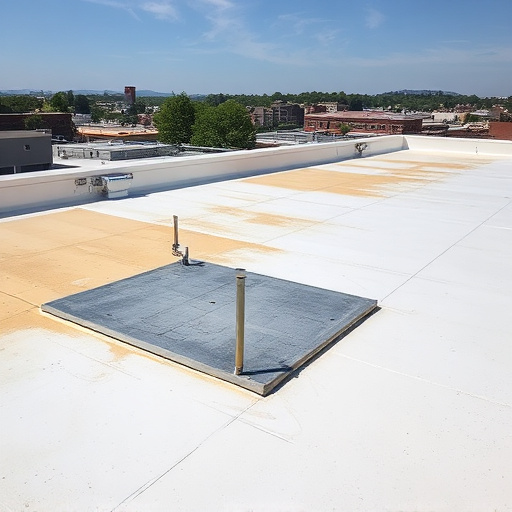
In the harsh desert climate of felt paper, roof damage is not an if but a when. Whether it's sun-withered shingles, leaking flashing, or compromised parapets, these issues can turn a minor inconvenience into a major crisis. A single leak can lead to extensive water damage, mold growth, and costly repairs. That's why understanding the root causes-like aging materials, extreme temperatures, and wind-driven debris-is crucial. This article examines the essentials of flashing, parapet, and stucco repairs, specifically tailored to the unique challenges faced by desert homeowners. We'll explore proven strategies for identifying and fixing leaks, including the importance of professional expertise in situations like complex flat roof leak repair. Get ready to invest in the longevity and safety of your home.
- Understanding Desert Home Leaks: Common Causes
- Diagnosing Flat Roof Problems: Step-by-Step Guide
- Natural Flashing, Parapet, and Stucco Repair Solutions
- Preventive Measures: Long-Term Protection for Your Home
Understanding Desert Home Leaks: Common Causes
Understanding Desert Home Leaks: Common Causes
In the arid climate of felt paper, desert homes are particularly susceptible to specific types of leaks. Let's examine the most prevalent issues that lead to these problems. One of the primary culprits is flat roof leak repair challenges, often stemming from improper installation, aging materials, or poor maintenance. Many older homes in the area have shingles that have cracked or slipped, leading to leaks.
Moisture meters play a crucial role in identifying these issues early. By measuring the level of moisture in the roof decking, professionals can pinpoint problem areas before they escalate. Another common cause is through roof penetrations-places where fixtures, vents, or chimneys pierce the roof. These areas are vulnerable to damage from weather and pests, allowing water to infiltrate. Counter flashing, a secondary layer of protection, can help seal these penetrations, but it's not foolproof, especially in extreme conditions.
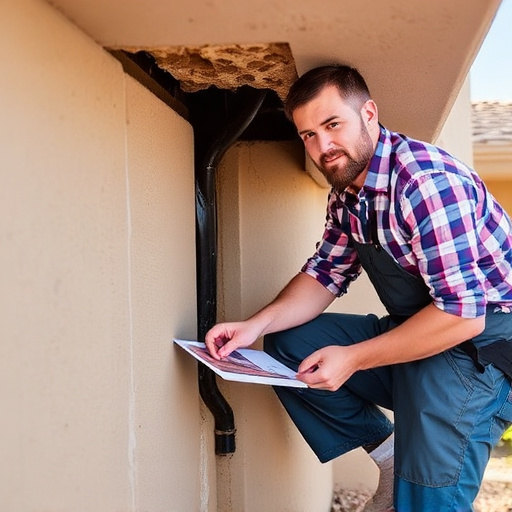
Stucco and parapet flashing, while vital for protecting the roof's perimeters, can also fail over time, particularly where it meets the wall. This failure often occurs due to poor installation, sun damage, or a combination of both. Similarly, gutter repairs on desert homes are essential for proper water drainage. Gutters clogged with debris or misaligned can lead to water pooling and potential damage to the roof and walls. A roofer with an Arizona ROC license will often emphasize the importance of regular maintenance and repairs to prevent these issues from becoming costly, time-consuming problems.
A key strategy for homeowners is proactive inspection. Regular visual checks for signs of damage, such as discolored or bulging areas, can catch problems before they turn into major repairs. By understanding these common causes, homeowners can work with experienced local roofers to implement effective solutions, ensuring their desert homes remain well-protected.
Diagnosing Flat Roof Problems: Step-by-Step Guide

Diagnosing flat roof problems can seem daunting, but with a systematic approach, homeowners in Oro Valley, especially in areas like Rancho Vistoso known for their unique desert roofing challenges, can effectively tackle common issues. The first step in any flat roof leak repair is accurate leak detection. This process involves a meticulous inspection of the roof's surface and underlying components, as leaks often originate from unexpected places. A licensed Oro Valley area roofing contractor will begin by visually examining the roof for any visible signs of damage, such as missing or cracked shingles, discolored areas indicating water stains, or bulges in the underlayment.
Leak detection experts often utilize specialized equipment like infrared cameras and moisture meters. An infrared camera can detect heat variations, helping to pinpoint wet spots that may not be immediately visible to the naked eye. A moisture meter measures the level of moisture in the roof materials, indicating areas of high humidity that could lead to leaks. These tools, along with a keen eye, allow for a thorough evaluation of the roof's health. A felt paper tear or missing strip might be the culprit, easily identifiable through these methods.
Once potential leak sources are identified, the contractor will examine deeper into the problem. This may involve checking the flashing-the waterproof barrier around roof penetrations like chimneys and vents-for any signs of deterioration or dislodging. Flashing is a critical component in flat roof leak repair, as it prevents water from seeping into joints and openings. In desert homes, where extreme temperatures and sunlight can accelerate degradation, regular maintenance and replacement of flashing may be necessary. Similarly, examining the parapet wall and its protective coating is crucial, as these structures guard against wind-driven rain and debris.
Natural Flashing, Parapet, and Stucco Repair Solutions
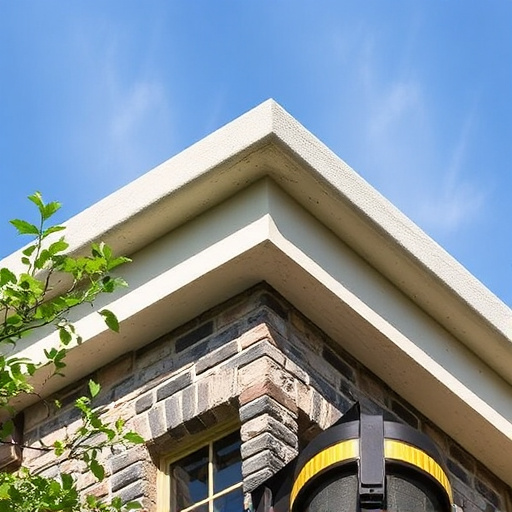
For maintaining the integrity of your desert home, addressing flashing, parapet, and stucco issues is paramount. These exterior components play a crucial role in protecting your property from the harsh, dry conditions characteristic of our region. Natural flashing, parapet, and stucco repair solutions offer both lasting protection and aesthetic appeal, ensuring your home stands strong against the elements.
Let's break down each component:
Flashings: Often overlooked, flashings are critical in preventing water intrusion. A common source of leaks in flat roofs, flashings must be properly installed and maintained. Natural flashing solutions involve using elastomeric coatings, which provide a flexible yet durable barrier. This method not only repairs existing leaks but also acts as a preventative measure, protecting against future issues in roof valleys and around chimneys and vents.
Parapets: Serving as a barrier between your roof and the ground, parapets play a vital role in fall prevention and protecting against wind damage. Repairs to parapets are essential for safety and aesthetics. A roofer with an Arizona ROC license can assess and recommend solutions, from replacing damaged or missing sections to reinforcing existing structures for enhanced stability.
Stucco: As a popular choice for desert homes, stucco requires regular care and maintenance. Over time, it can crack, allowing water penetration and leading to costly interior damage. Repairs involve matching discontinued tile and repairing or replacing damaged areas. Professionals often use elastomeric coatings to protect against sun damage and moisture, ensuring a long-lasting, attractive finish.
In the case of flat roof leak repair, a proactive approach is key. Regular inspections and minor repairs can prevent significant, time-consuming (and costly) damage. Addressing a small leak in a roof valley can save you from a complete re-roofing job later. Similarly, fixing a bad roof repair job done by an unqualified contractor can be a fraction of the price of a new installation. Remember, small repairs that prevent big ones are always more cost-effective in the long run.
Preventive Measures: Long-Term Protection for Your Home

Preventive maintenance is a crucial aspect of homeownership, especially in the harsh desert environment where UV damage can accelerate the deterioration of materials. For your roof, regular checks and timely repairs can significantly extend its lifespan and protect your home in Oro Valley and the Catalina Foothills.
One of the most effective ways to safeguard your desert home is to focus on the flat roof leak repair. Leaks can often go unnoticed, but they can cause substantial damage over time. A licensed Arizona roofer recommends inspecting your roof for signs of wear, particularly in areas prone to leaks such as valleys, ridges, and around chimneys. Addressing small leaks promptly prevents them from turning into major issues, saving you from costly repairs. A simple patch or seal can stop a small leak from becoming a saturated, damaged area that compromises the structural integrity of your roof.
Regular maintenance also includes ensuring the integrity of your roof's flashing and parapet. Flashing is the barrier that prevents water from seeping into the gaps around chimneys, vents, and other roof penetrations. Over time, flashing can become damaged or corroded, allowing water to enter and cause significant damage. Similarly, parapets, which line the edges of your roof, are vulnerable to UV damage and wind erosion, leading to cracks and breaks that can compromise the entire structure. Stucco repairs, while more involved, are crucial for maintaining the aesthetic appeal and protective qualities of your home's exterior.
To these specific repairs, there are broader measures to consider. Implementing a comprehensive gutter and downspout cleaning schedule is vital, as clogged systems can lead to water damage and leaks. Protecting against bird and pest damage, especially in areas with attics or patios, can also prevent costly repairs. Ensuring your roof's bird stops are in good condition prevents birds from nesting and blocking drains, which can cause water damage during heavy rainfall. By integrating these preventive measures into your home maintenance routine, you can significantly reduce the likelihood of needing emergency roof repairs and ensure your desert home remains protected for years to come.
Frequently Asked Questions About an explainer on flashing, parapet and stucco repairs on desert homes
What is flashing in the context of desert home repairs?
Flashing is a thin, continuous sheet of weather-resistant material, like aluminum or stainless steel, installed where a roof or wall meets another surface, such as a chimney, pipe, or window. It protects against water intrusion at these vulnerable points, often called "penetrations." In desert homes, proper flashing installation is crucial to prevent damage from intense sunlight, high winds, and rapid temperature changes.
Why are parapet repairs necessary?
The parapet is the top wall of a roof, often raised and finished with decorative elements. In desert climates, parapets are vulnerable to damage from sun, wind, and extreme temperatures. Over time, this can lead to cracks, leaks, and even structural damage. Repairs involve patching or replacing damaged sections, ensuring the parapet's integrity and extending the life of your roof.
What is stucco, and when is it used?
Stucco is a composite material made from a wet mixture of cement, sand, and water, applied to exterior walls for a smooth, durable finish. It's a popular choice in desert regions for its heat resistance, low maintenance, and aesthetic appeal. Stucco repairs involve removing damaged or peeling sections and applying fresh coats to match the existing finish, ensuring your home maintains its attractive exterior.
How do I know if I need a professional for repairs?
While minor flashing repairs, cleaning, and stucco cracks can sometimes be addressed by homeowners, more complex issues often require professional expertise. Signs you need a contractor include extensive damage, water leaks, significant structural problems, or difficulty accessing and repairing the affected areas. A licensed, experienced contractor will ensure the work is done correctly, preventing further damage and ensuring the long-term protection of your home.
What are the common signs that indicate a need for flashing, parapet, or stucco repair?
Look for cracks in stucco, water stains, peeling or blistered paint, loose or missing flashing around roof penetrations, and signs of water damage or mold growth. These are indicators that your home may need repairs to these exterior elements, ensuring the continued protection of your investment.
Can I choose the repair materials myself, or does a professional handle that?
Homeowners can select materials for repairs as long as they meet local building codes and standards for durability and aesthetics. However, professionals often have access to a wider range of tested, proven options and can provide valuable guidance based on your specific home's needs.
Addressing desert home leaks, especially those on flat roofs, requires a multi-faceted approach. By understanding the common causes and following a step-by-step guide for diagnosis, homeowners and contractors can effectively manage flat roof leak repair. The article highlights the importance of natural flashing, parapet, and stucco solutions for long-term protection, emphasizing preventive measures to safeguard against costly, time-consuming repairs. These strategies not only extend the lifespan of your roof but also ensure the structural integrity of your home, particularly in the unique conditions of the Oro Valley desert environment. Moving forward, remember that proactive care and quick response to issues like cracks, slipped tiles, or underlayment leaks can prevent small repairs from turning into major crises. Regular inspections and matching discontinued tiles are key practices to maintain a safe, secure, and aesthetically pleasing desert home.
Desert Home Repairs: Flat Roof, Flashing, Stucco & Parapet
Desert homes face unique challenges, with leaks often stemming from flat roof issues, flashing damage, and aging stucco. Regular, proactive inspections are key. Leaks can start small, causing big problems later. Tools like moisture meters help detect issues early.
Flat Roof Leak Repair:
- Common in areas like Rancho Vistoso due to desert conditions.
- Detect through visual exams, infrared cameras, and moisture meters.
- Address minor leaks promptly to prevent major damage.
Flashings & Parapets:
- Vital for water protection and structural integrity.
- Natural flashing solutions provide lasting protection.
- Regular inspections and repairs prevent fall hazards and wind damage.
Stucco Repairs:
- Regular maintenance prevents cracking and water damage.
- Elastomeric coatings protect against sun and moisture.
- Addressing small issues saves on costly re-roofs and interior damage.
Preventive Maintenance:
- Inspect roof, flashing, parapets, and gutters regularly.
- Prevent bird damage and keep drains clear.
- Timely repairs extend roof life and protect your investment.