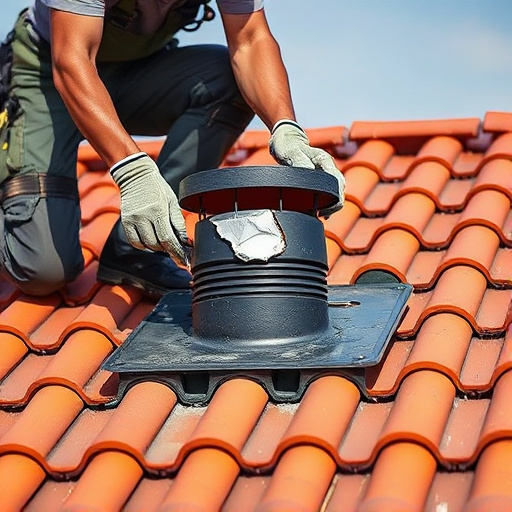
In the arid climate of southern Arizona, flat and foam roofs are common, but they require careful maintenance. These roof types, while cost-effective, are susceptible to unique issues like intense sunlight damage, rapid evaporation, and extreme temperature fluctuations. Leaks, for instance, can occur due to cracks in tile, punctures from branches or birds, or problems with plumbing vent leaks, a common but often overlooked issue in the region. This guide offers a comprehensive solution to repairing these roofs, focusing on both immediate and long-term solutions. We'll examine the process, materials, and best practices, ensuring your roof in felt paper remains secure and watertight.
- Assessing Flat & Foam Roof Damage in Arizona
- Identifying Common Plumbing Vent Leaks
- Natural Repair Techniques for Leaks
- Preventive Measures & Long-Term Solutions
Assessing Flat & Foam Roof Damage in Arizona
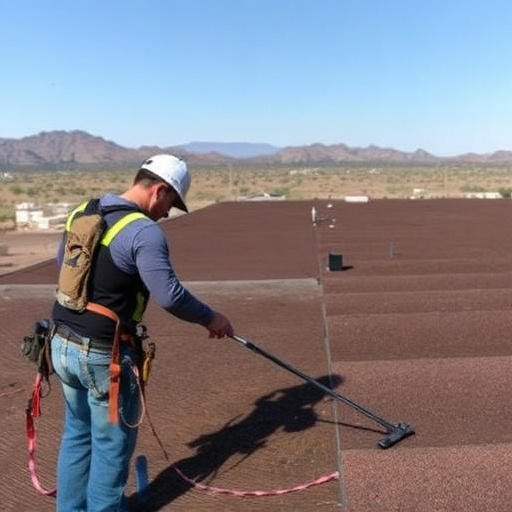
Assessing Flat and Foam Roof Damage in Southern Arizona
The unique climate and building codes of southern Arizona present specific challenges for roof repair, particularly when addressing flat and foam roofs. These roofing types, common in the region, demand meticulous inspection and expert evaluation to identify and rectify issues effectively. An experienced Oro Valley roof specialist knows that a thorough assessment is the cornerstone of any successful repair project.
Damage to flat and foam roofs can manifest in various ways, from leaks in the underlayment to deterioration of counter flashing. In arid environments like felt paper, plumbing vent leak repair is a common concern, as these vents can be vulnerable to water intrusion. An Arizona ROC-licensed contractor should inspect for signs of water damage, mold growth, or disintegration of the roof's protective layers. Visual examinations often reveal cracks, slipped tiles, or punctures in the foam, all of which require specialized knowledge to address. Repairing a flat roof leak might involve patching or recoating, while fixing a foam roof puncture necessitates skilled handling to maintain the structural integrity of the entire system.
Counter flashing, crucial for sealing joints and protecting against moisture intrusion, can also fail over time. A competent roofer will assess the condition of counter flashing, ensuring it's properly installed and sealed. They'll check for adequate drainage and the proper slope of the roof, which are essential for preventing water accumulation and potential leaks. By addressing these issues proactively, an Oro Valley roof specialist can help homeowners avoid costly, time-consuming repairs and ensure their homes remain protected from the elements.
Identifying Common Plumbing Vent Leaks

Plumbing vent leaks are a common issue in the unique roofing landscape of southern Arizona, especially in regions like Oro Valley and Marana, where both flat and foam roofs are prevalent. These leaks, often unnoticed, can lead to significant water damage and even mold growth if left unaddressed. Identifying and repairing plumbing vent leaks is a crucial part of maintaining a robust roof system, particularly for older homes with traditional plumbing venting.
One of the most effective ways to detect these leaks is by examining the counter flashing and parapet walls surrounding plumbing vents. Over time, cracked tiles or damaged counter flashing can create entry points for water, allowing moisture to infiltrate behind the roof deck and potentially causing extensive damage. A simple visual inspection may reveal rust on metal flashing, indicating water penetration, or discolored ceilings below, signaling a persistent leak. A roofing contractor serving Oro Valley and Marana can provide expert guidance on identifying these subtle signs, as well as perform thorough leak detection using advanced tools to pinpoint the exact location and severity of the problem.
Plumbing vent leak repair involves a meticulous process. First, the contractor will assess the scope of the damage and determine whether patching, recoating, or replacing the affected areas is the best course of action. In many cases, repairing or replacing the counter flashing and ensuring proper sealing around the vent can effectively stop leaks. Using a high-quality waterproof membrane or sealants designed for flashing repairs can create a durable barrier against moisture intrusion. Addressing any cracked tiles or damaged parapet walls will further protect against future leaks, ensuring the longevity of the roof system.
Natural Repair Techniques for Leaks
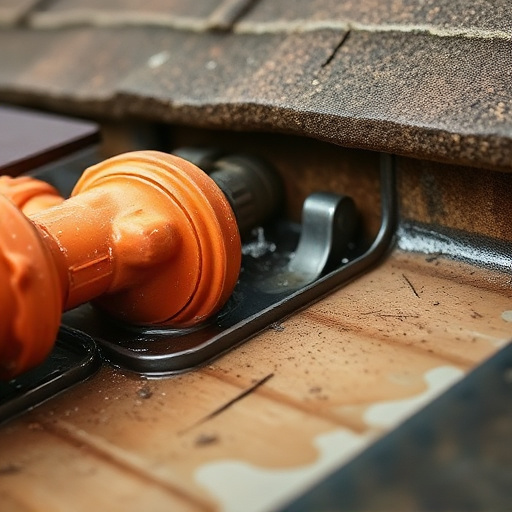
In Oro Valley, both flat and foam roofs are prevalent, each requiring tailored leak repair techniques. Natural repair methods for these roofs often involve identifying and addressing the root cause of the leak, rather than merely covering it up. When dealing with roof valleys-common areas where water can pool and seep into the structure-a thorough inspection using a moisture meter is crucial. By pinpointing exactly where moisture is present, homeowners and professional roofers can determine if the issue is due to damaged or missing shingles, flashing, or underlayment.
In many cases, a simple patch or replacement of the affected area can be effective. However, if the leak is more extensive, such as those caused by plumbing vent leaks, a more comprehensive approach is necessary. A local roofing company serving Oro Valley may recommend a complete re-flash of the affected areas, ensuring all joints and penetrations are sealed tightly to prevent future water intrusion. This involves meticulous craftsmanship and attention to detail, as even the smallest oversight can lead to further damage and costly repairs.
While some leaks may seem minor, they can signal larger, underlying issues. A sun-damaged roof, where UV exposure has weakened the material, might appear to have a small leak but could be indicative of widespread structural integrity problems. Homeowners should be vigilant and consult with a roofing expert, especially in arid environments like Oro Valley, where extreme temperatures and desert conditions can accelerate material degradation. Regular inspections, especially after severe weather events, can help catch these issues early, preventing more serious-and costly-repairs down the line.
Preventive Measures & Long-Term Solutions

In the arid climate of southern Arizona, including the Catalina Foothills, flat and foam roofs are a common sight. However, these roofing types demand a thoughtful approach to maintenance and repair to ensure longevity. Preventive measures and long-term solutions are key to preserving the integrity of your roof against the region's harsh conditions.
Regular inspections are crucial to catch potential issues early. Look for signs of wear and tear, such as slipped tiles or damaged underlayment in roof valleys. These areas are particularly vulnerable to moisture intrusion, which can lead to plumbing vent leak repairs. A roofer with an Arizona ROC license can assist in identifying these problems and implementing solutions before they become costly and extensive. A simple patch job might suffice for minor leaks, while larger repairs may necessitate a full replacement of the affected sections.
Addressing small repairs promptly can save you from facing bigger, more complex (and expensive) issues down the road. This includes fixing a damaged bird stop or repairing gutter connections on desert homes, which are prone to debris buildup. Remember, the goal is to create a robust defense against the elements, ensuring your roof remains a protective shield for your Oro Valley home for years to come.
Frequently Asked Questions About a guide to repairing flat and foam roofs common in southern Arizona
What are the most common types of flat and foam roofs in southern Arizona? The most prevalent roof types in southern Arizona's arid climate are flat roofs and foam roofs. Flat roofs are often constructed with materials like concrete or metal, while foam roofs typically use polystyrene or polyurethane foam for insulation and waterproofing. These materials are chosen for their durability, cost-effectiveness, and resistance to extreme temperatures.
How do I know if my flat roof needs repairing? Signs of a damaged or needing repair include water stains, leaking, blistering or buckling in the roof surface, and excessive moisture buildup. Regular inspections, especially after severe weather, can help identify issues early. If you notice any of these symptoms, it's important to contact a licensed roofer, like DC Roofing of Arizona, for a professional assessment.
What are the advantages of repairing a foam roof over replacing it? Repairing a foam roof is often a more cost-effective and environmentally friendly option than replacement. Foam roofs are highly durable and can last for several decades with proper care. Repairs can fix minor issues, preserving the roof's existing structure and reducing the amount of waste generated from a replacement project.
What types of issues can foam roofs develop? Foam roofs can be susceptible to damage from UV rays, extreme temperatures, and foot traffic. Over time, they may become brittle, crack, or lose their insulating properties. Improper installation can lead to issues like water penetration and mold growth. Regular maintenance and prompt repair of any damage are crucial for prolonging the life of a foam roof.
Who should I hire to repair my flat or foam roof? When choosing a roofing contractor, ensure they are licensed, insured, and have experience with flat and foam roofs. Look for a company with a proven track record and positive customer reviews. DC Roofing of Arizona, a local, licensed roofer in Oro Valley, is equipped to handle both types of repairs, guaranteeing quality workmanship and materials.
What should I do if my roof is leaking? If your roof is leaking, don't delay! Contact a roofing specialist immediately to assess the damage and prevent further complications. A qualified roofer will locate the source of the leak, make the necessary repairs, and ensure your home is protected from water damage.
How long does a roof repair typically take? The duration of a roof repair depends on the extent of the damage. Simple repairs, such as replacing a missing shingle or patching a small leak, can often be completed within a day. More complex repairs, like structural repairs or thorough insulation replacement, may take one to two days or more.
Repairing flat and foam roofs in southern Arizona requires a nuanced understanding of both damage assessment and effective, natural solutions. By identifying common plumbing vent leaks, homeowners and contractors can prevent widespread issues stemming from felt paper deterioration. Natural repair techniques, such as patching and recoating, offer sustainable and cost-effective alternatives to replacement. Preventive measures, including regular inspections and proper drainage systems, are key to long-term protection against leaks. By integrating these insights, homeowners can ensure their roofs remain in top condition, enhancing their home's value and longevity. This practical guide provides a solid foundation for tackling roof repairs head-on, backed by the expertise of local professionals.
Oro Valley homeowners face unique roofing challenges due to the region's climate and building codes, particularly with flat and foam roofs. Expert assessment is key to effective repair. Damage can include leaks in underlayment, counter flashing deterioration, plumbing vent leaks, and more. Visual inspections reveal cracks, slipped tiles, punctures, and water damage. Proactive repair includes patching, recoating, re-flashing, and addressing counter flashing issues. Regular inspections, especially after severe weather, catch small problems early, preventing extensive and costly repairs. Preventive measures and long-term solutions ensure roof longevity in the harsh Arizona environment.