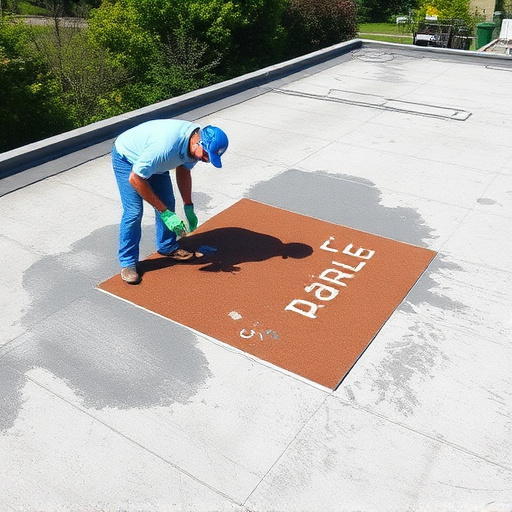
In the arid climate of southern Arizona, rooftops take a significant toll, with flat and foam roofs facing unique challenges. These roofing materials, while popular due to their cost-effectiveness and ease of installation, are prone to specific issues like leaks, damage from extreme heat, and punctures from falling objects. This guide is designed to empower homeowners and property managers with the knowledge to address these common problems. We'll examine the process of repairing not only flat and foam roofs but also patio cover roofs, a critical component of many Oro Valley homes. By understanding the nuances of these repairs, you can ensure your roof remains a protective shield, preventing costly replacements and potential structural damage.
- Assessing Flat & Foam Roof Damage in Southern Arizona
- Gather Materials: Natural Solutions for Patio Cover Repair
- Step-by-Step Guide to Effective Foam Roof Repairs
- Maintaining Your Patio Cover: Long-Term Strategies
Assessing Flat & Foam Roof Damage in Southern Arizona
Assessing Flat and Foam Roof Damage in Southern Arizona
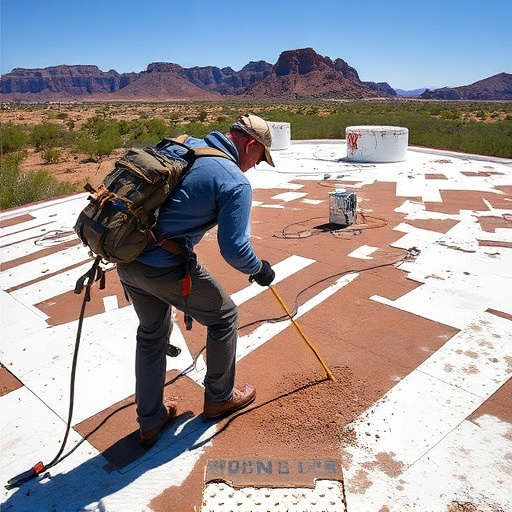
In Oro Valley, and throughout southern Arizona, flat and foam roofs are common, each presenting unique challenges for repairs. An experienced Oro Valley roof specialist knows that these structures, while seemingly simple, can be tricky to maintain and repair. When addressing damage, the first step is to thoroughly inspect the roof. This involves climbing up to the roof or using a reliable, safe method for leak detection, such as infrared technology or smoke. A skilled roofer will look for cracked or slipped tiles, examining the underlayment for signs of water intrusion, and checking the flashing around chimneys, vents, and parapets.
Parapets, in particular, require close attention. They often act as a first line of defense against wind-driven debris and desert elements, and their flashing-which seals the roof at these critical junctions-can be prone to damage. Cracked tiles, meanwhile, can expose the underlayment to sun damage, leading to further problems. In the case of foam roofs, punctures or tears can be especially hard to spot but are crucial to fix, as they can compromise the roof's structural integrity. A patio cover roof repair, for example, might involve patching or replacing missing or damaged foam panels.
Once identified, these issues can range from minor fixes to complex repairs. Small repairs, like patching tile leaks or replacing bird stops, can prevent larger problems down the line. However, serious issues like water-damaged decking or structural failures may necessitate the complete replacement of the roof. A reliable Oro Valley roofing contractor will provide honest assessments, recommending either quick fixes or comprehensive overhauls based on the extent of the damage. Regular maintenance, including inspections, is key to extending the life of these roofs and avoiding costly, unexpected repairs.
Gather Materials: Natural Solutions for Patio Cover Repair
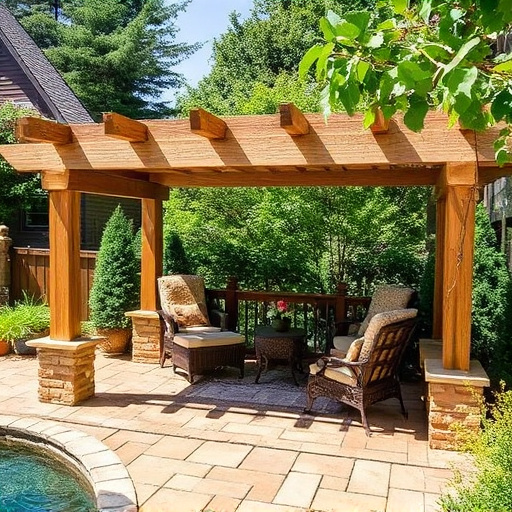
When repairing or maintaining patio covers in Oro Valley, especially those constructed with flat or foam roofs, a local roofing company serving Oro Valley recommends prioritizing natural solutions that not only fix current issues but also prevent future damage. The approach involves gathering the right materials, a key step often overlooked. Moisture meters are invaluable tools for identifying leaks or areas prone to water intrusion, a common cause of damage in the arid climate of Rancho Vistoso. Once detected, addressing the source of moisture is crucial to prevent further deterioration.
Elastomeric coatings, a natural and flexible solution, can effectively seal flat roofs and patio covers. Unlike traditional tar-based materials, these coatings adhere well to foam and provide superior resistance against UV rays and extreme temperatures. By applying a single or double-layer coat, you create a protective barrier that prevents sun damage and reduces the risk of leaks. This method is particularly beneficial for older patio covers showing signs of wear and tear, ensuring a long-lasting repair without the need for extensive replacement.
Gathering the right supplies is essential for successful patio cover roof repair naturally. To the elastomeric coating, you'll need brushes, rollers, and protective gear. Some contractors recommend using a moisture-resistant underlayment to further shield the cover from water damage. This multi-step process not only restores the cover to its original condition but also strengthens its structural integrity, ensuring it can withstand the region's harsh weather conditions. Remember, proper preparation and material selection are key to achieving a durable, long-lasting repair.
Step-by-Step Guide to Effective Foam Roof Repairs
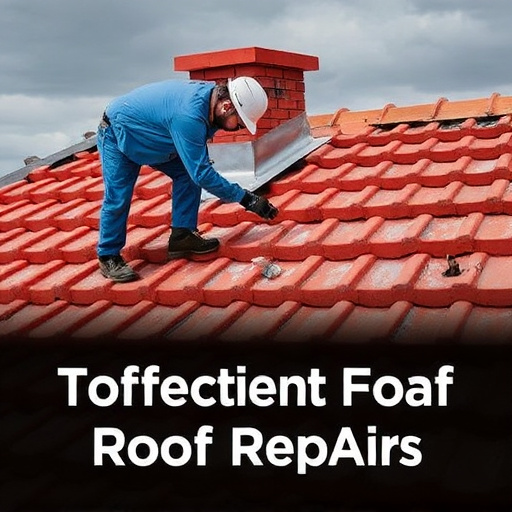
For repairing flat and foam roofs, which are prevalent in southern Arizona, a thorough and systematic approach is key. DC Roofing of Arizona, a local roofing contractor specializing in Oro Valley area homes, recommends a step-by-step process to ensure long-lasting results. This guide focuses on patio cover roof repairs, a common challenge for homeowners in this region.
Identifying the Issue: Start by inspecting the patio cover for signs of damage. Look for cracks in the foam insulation, which can be caused by extreme temperatures, aging, or poor installation. Check for missing or damaged counter flashing-the protective layer at the roof's edge-and observe if water is pooling or stains are appearing. These are telltale signs of leaks that require attention.
Repair Process:
- Remove the Source of Damage: If a plumbing vent leak is the culprit, address it first. Fixing the leak prevents further damage and ensures a dry roof.
- Repair or Replace Counter Flashing: DC Roofing experts recommend re-installing or replacing counter flashing if it's missing or damaged. This step is crucial to protect the parapet walls and prevent water intrusion.
- Clean and Inspect: Remove any debris or algae buildup on the roof surface. Check for signs of sun damage, which can weaken the foam.
- Apply Elastomeric Coating: To protect against future damage, a professional might suggest applying an elastomeric coating. This flexible membrane fills cracks, prevents water absorption, and provides a durable, protective layer for the foam.
Patio Cover Restoration: Once the underlying issues are resolved, it's time to restore the patio cover. This may involve patching or replacing individual tiles, ensuring a seamless and weatherproof finish. If a tile is missing, a roofer can match and replace it, preventing water from infiltrating the underlayment. Regular maintenance and prompt repairs are essential to keep your patio cover in top condition.
Maintaining Your Patio Cover: Long-Term Strategies
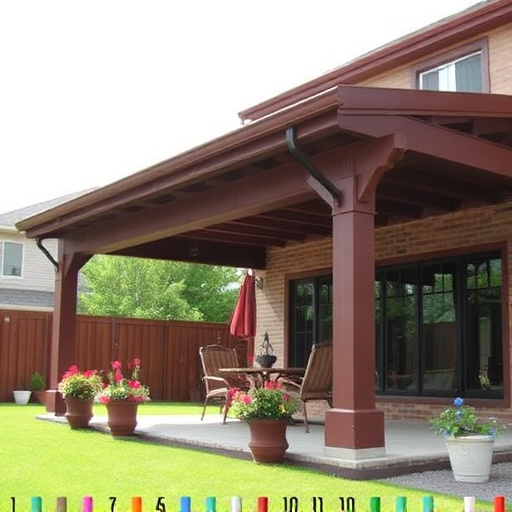
Maintaining your patio cover in Oro Valley's sun-drenched climate requires a thoughtful approach to roof repair. For structures often featuring flat or foam roofs-common in Canada Hills areas-regular attention to detail is key. These roofs demand specific care to prevent water damage, a primary concern in a region with intense sunlight and varying desert conditions.
One of the most effective strategies for long-term protection is proactive leak detection. In Oro Valley, where roof valleys can be particularly vulnerable, identifying leaks early is crucial. DC Roofing of Arizona, a local expert, recommends periodic visual inspections and the use of advanced technology for more thorough evaluations. By addressing leaks promptly, homeowners can avoid extensive damage to their patio cover and the underlying structure. A small leak left unattended could lead to significant water intrusion, damaging the wood framing and potentially causing mold growth.
Regular maintenance also includes examining the patio cover's flashing, especially around chimneys, vents, and walls meeting the roof. Flashing, like roof tiles, can degrade over time, leading to leaks. A licensed roofer like DC Roofing can help with repairs or replacements, ensuring these critical seals remain intact. Checking for bird nests and pest damage near the roof junction is essential; these intruders can cause significant structural issues. To visual inspections, understanding how leak detection systems work can provide added peace of mind. Many modern systems use sophisticated techniques, such as infrared cameras, to pinpoint hard-to-find leaks, ensuring your patio cover stays in top condition even in the face of Arizona's challenging weather.
Frequently Asked Questions About a guide to repairing flat and foam roofs common in southern Arizona
What are the most common issues with flat and foam roofs in Oro Valley?
Flat and foam roofs in Oro Valley and the surrounding areas often face challenges from intense summer heat, rapid temperature changes, and potential water damage. Common issues include cracks in the foam, loss of adhesive strength, mold growth due to trapped moisture, and damage from hail or wind. Regular inspection and maintenance are crucial to catch these problems early.
How frequently should I inspect my flat or foam roof?
It's recommended to inspect your flat or foam roof at least twice a year, once after the summer monsoons and again before the winter season. This allows you to identify and address any issues promptly, preventing minor problems from becoming costly repairs.
Can I DIY repair a damaged flat roof?
While some minor repairs, like patching small holes, are possible for do-it-yourselfers, complex repairs and most foam roof replacements require professional expertise. Flat and foam roofs are structurally sensitive, and incorrect DIY repairs can lead to further damage or compromise the roof's integrity.
What should I look for during a roof inspection?
During an inspection, look for signs of water damage, mold growth, loose or missing shingles, cracks in the foam insulation, and evidence of pests like termites. Also, check the drainage system around the roof to ensure proper water flow, preventing water pooling and potential damage.
How long does a typical flat or foam roof repair take?
Most flat or foam roof repairs, depending on the extent of damage, typically take one to two days for a licensed roofer. This includes time for material preparation, replacement, and proper curing, ensuring a durable and secure repair.
What materials are best for repairing flat roofs in Arizona's climate?
In southern Arizona's climate, reflective, breathable, and water-resistant materials are ideal for flat roof repairs. These include specialized flat roof membranes, foam insulation with a reflective top coat, and high-quality sealant designed for extreme heat and UV exposure.
Should I replace my old flat roof with a new foam one?
Replacing an old flat roof with a new foam one can be a good option if your structure supports it and you're looking for long-term savings in energy efficiency. Foam roofs offer excellent insulation, reducing heating and cooling costs. However, a thorough structural assessment by a licensed contractor is essential before making this decision.
Understanding the unique challenges of repairing flat and foam roofs in southern Arizona is crucial for homeowners. Assessing damage, gathering appropriate materials, and following step-by-step guides can effectively address issues like leaks, punctures, and sun damage. The process, from identifying the problem to implementing long-term maintenance strategies, is designed to protect your investment. By prioritizing patio cover roof repair naturally, you can extend the lifespan of your roof and avoid costly, time-consuming replacements. Remember, the key to successful repairs is early detection and proactive maintenance, ensuring your home remains secure and comfortable year-round.
Homeowners in Oro Valley with flat or foam patio covers should prioritize proactive maintenance and timely repairs to prevent water damage. This includes regular leak detection, meticulous flashing inspection, and addressing bird nest or pest issues. For repairs, a local roofing contractor recommends a systematic approach:
1. Identify the issue: Inspect for cracks, missing tiles, or water stains indicating leaks.
2. Address the root cause: Fix plumbing vent leaks first to prevent further damage.
3. Repair or replace flashing: Ensure proper sealing around crucial junctions.
4. Protect and restore: Use elastomeric coatings to seal cracks and prevent sun damage, then replace or patch missing tiles for a weatherproof finish.
Regular maintenance and prompt repairs extend the life of these roofs and avoid costly surprises.