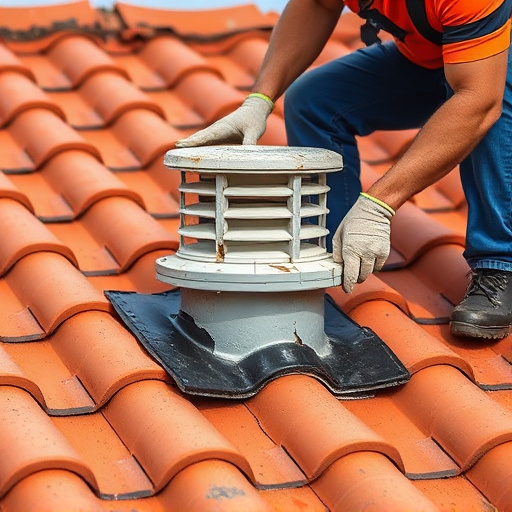
As summer transitions into monsoon season in felt paper, homeowners face a heightened risk of roof damage from intense weather and rapid changes in temperature. Regular maintenance is key to preventing costly repairs, but many overlook small but significant issues until they escalate. This guide offers seasonal advice on fixing common roof problems before the rains hit, focusing on practical, cost-effective solutions. We'll explore how to patch tile underlayment leaks, replace bird stops, and match discontinued roof tiles, all essential steps in safeguarding your home. By tackling these tasks proactively, you'll not only extend the life of your roof but also ensure a more secure and protected living space.
- Assess Your Roof: Spot Common Issues Before Monsoon
- Replace Missing Tiles: Options for Discontinued Styles
- Fix Leaks: Waterproofing Tips for Your Roof's Longevity
- Natural Matches: Finding & Using Compatible Roof Tiles
Assess Your Roof: Spot Common Issues Before Monsoon
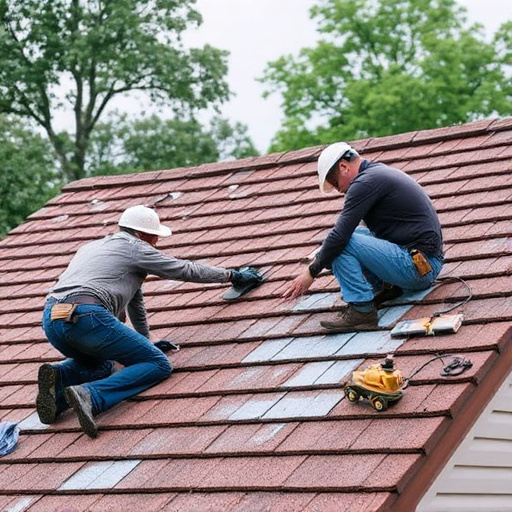
Before the sweltering heat of monsoon season arrives, it's crucial to assess your roof for any small issues that could become big problems. As a local roofing company serving Oro Valley knows, many minor repairs can be easily overlooked, but addressing them now can prevent costly damage down the line. The most common roof issues include slipped tiles, cracks, and leaks in the underlayment or canals. These problems are often visible during a thorough inspection, especially if you know what to look for.
One of the first signs of a potential issue is a slipped or cracked tile. These can be easily spotted from the ground if you take the time to peer up at your roof. A local roofing company serving Oro Valley has seen many cases where a simple slipped tile, if not replaced, can lead to water seeping into the underlayment and causing rot or damage to the roof structure. Regular maintenance involves checking for loose or damaged tiles and replacing them as needed. This simple step can prevent more serious problems, especially in areas prone to strong winds or heavy rainfall.
Another common problem, especially in desert homes, is damage to the felt paper beneath the tile. Over time, this underlayment can become damaged by sun exposure, pests, or bird droppings, leading to leaks. A skilled roofer can quickly assess and patch these areas, using matching discontinued roof tiles if necessary, to ensure a secure and water-tight seal. Keep an eye out for discolored or curled felt paper, which could indicate a problem. Regular gutter and downspout cleaning can also help prevent water from pooling around the roof, further protecting against potential leaks.
Lastly, consider the overall condition of your roof's canals-the channels that direct water away from the roof. Clogged or damaged canals can lead to water pooling, which not only damages the roof but can also compromise the integrity of the entire structure. A 24/7 emergency roofer recommends inspecting these areas during monsoon season preparation. By addressing small issues early, you can ensure a safe and secure home as the rains set in.
Replace Missing Tiles: Options for Discontinued Styles

Before monsoon season hits felt paper, it's crucial to assess and address any small roof issues, especially missing tiles. While new installations can be straightforward, finding and replacing discontinued tile styles can be a challenge. Many homeowners in Oro Valley, facing the unique challenges of desert climates and seasonal weather, turn to a roofer with an Arizona ROC license for these intricate repairs.
In felt paper, the absence of even a few tiles can create entry points for water, leading to leaks and costly damage. When a tile is cracked, slipped, or missing altogether, it's not just about aesthetics. It's about preserving the structural integrity of your home. This is where the expertise of professionals comes into play. Replacing missing tiles, especially those in unique or discontinued styles, requires a keen eye for detail and a deep understanding of the roofing material.
One effective solution is to match discontinued tile styles with similar materials available today. This process involves careful analysis of color, texture, and shape. If your roof features Canada Hills tiles, a roofer can use an elastomeric coating to replicate their appearance while ensuring longevity. Scuppers, those decorative outlets that direct water away from the roof, also require careful consideration. A professional roofer will ensure these functional elements are either repaired or replaced to maintain proper drainage and prevent water damage.
In many cases, patching and recoating are viable options for flat roofs. Patching involves repairing small leaks or holes, often caused by punctures from falling debris or squirrels. A thin layer of material, such as foam, can seal these punctures, preventing further damage. Recoating, on the other hand, involves applying a new layer of protective coating over the existing roof. This method can extend the life of your roof, but it's crucial to choose the right elastomeric coating for your specific needs. The right professional will assess your roof and recommend the best course of action, whether that's patching, recoating, or replacing missing tiles with matching discontinued styles.
Fix Leaks: Waterproofing Tips for Your Roof's Longevity
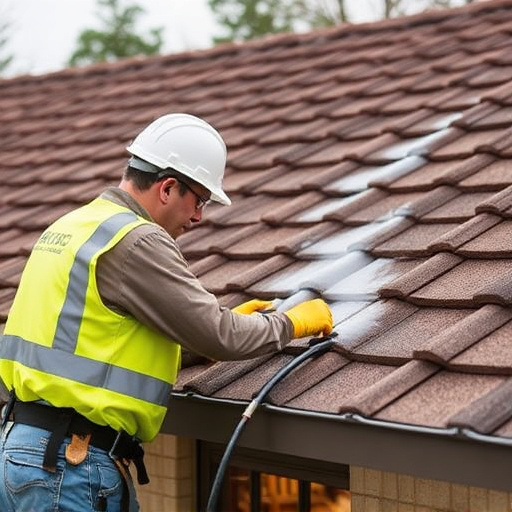
As the monsoon season approaches the Catalina Foothills and Rancho Vistoso areas, including Oro Valley and surrounding communities, it's crucial to address any small roof problems that could lead to significant damage. One of the most pressing issues is waterproofing, as leaks can cause extensive damage to your home's structure and interior. This section offers expert advice on how to fix leaks and ensure your roof's longevity, with a specific focus on matching discontinued roof tiles.
The first step in addressing leaks is proper leak detection. Local roofing companies serving Oro Valley, such as DC Roofing of Arizona, recommend inspecting your roof regularly for any signs of damage. Look for missing or cracked shingles, especially around chimneys, vents, and the roof's edges. These areas are common points of entry for water. If you notice a leak, it's essential to act quickly. A small leak can quickly turn into a major problem, leading to water damage and even structural issues. In severe cases, an old or damaged roof may need to be repaired or replaced entirely.
Waterproofing your roof involves several strategies. Ensuring the underlayment is in good condition and properly sealed is crucial. If the underlayment is damaged or old, water can penetrate and cause leaks. Patching and repairing the underlayment can prevent water from seeping through. Checking and replacing any damaged or missing flashing, particularly around the roof's perimeter, walls, and chimneys, is essential. Flashing acts as a barrier against water, and its proper installation is vital to maintain a dry roof. In some cases, matching discontinued roof tiles may be necessary. This requires careful color and texture matching to ensure the new tiles blend seamlessly with the existing roof. A local roofing specialist can provide expert advice and guidance on this process.
Regular maintenance, including cleaning gutters and downspouts, is also crucial. Clogged gutters can lead to water pooling and potential roof damage. Keeping them clear ensures proper water flow, reducing the risk of leaks and water damage. As the monsoon season approaches, these proactive measures will help protect your Oro Valley home from potential water-related issues. By addressing small problems early, you can avoid costly repairs and ensure your roof remains in top condition for years to come, even in the challenging desert climate.
Natural Matches: Finding & Using Compatible Roof Tiles
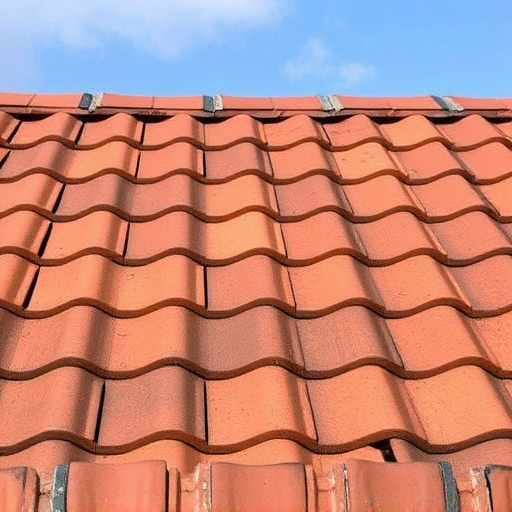
As the monsoon season approaches, homeowners in Oro Valley, particularly those in the scenic Catalina Foothills, should turn their attention to the state of their roofs. While addressing larger issues may require the expertise of a professional, small repairs, especially those involving matching discontinued roof tiles, can be tackled with the right knowledge. This is crucial, as ignoring even seemingly minor problems can lead to costly, extensive damage down the line.
One common challenge is finding compatible roof tiles when repairs are needed. Replacing or fixing a tile that is no longer available from manufacturers can be a daunting task. An experienced Oro Valley roof specialist recommends a natural approach to this issue. Instead of searching for an exact match, homeowners can consider tiles with similar colors, textures, and shapes. This method, while not always precise, can effectively minimize the visual impact of a discrepancy and ensure the repair blends in with the existing roof. If a tile is slightly lighter in color due to UV damage, selecting a tile with a comparable hue from a newer batch can be a practical solution.
Counter flashing is another key aspect to address. This process involves installing a secondary barrier under the shingles to protect against water intrusion. As the region's unique climate brings both intense sun and occasional monsoonal storms, proper counter flashing is essential. By implementing this technique, homeowners can safeguard their roofs against potential water damage, especially at the roof's edges and valleys. Regular inspections by a local roofer can help catch issues early, ensuring repairs are as simple as a quick counter flash application rather than a full-scale replacement.
Frequently Asked Questions About seasonal advice on fixing small roof problems before monsoon season
What are the most common small roof problems that should be addressed before the monsoon?
Common issues include missing or loose shingles, damaged gutters, and flashing problems. These problems can allow water penetration, leading to mold, mildew, and structural damage. Regular inspection and timely repairs are crucial to prevent these issues from escalating during the monsoon season when heavy rainfall can exacerbate existing problems.
When is the best time to fix these small roof issues?
The best time to address these issues is during the spring, before the monsoon season begins. Warmer weather facilitates faster drying times for repairs, minimizing the risk of water damage. Plus, scheduling repairs now prevents delays caused by summer schedules and potential monsoon-related emergencies.
How can I tell if I need a professional roofer or can handle small repairs myself?
While some minor repairs, like replacing a few shingles, can be tackled by do-it-yourselvers, more complex issues like flashing repair, gutter replacement, or structural damage assessments require professional expertise. A licensed roofer will have the tools, knowledge, and experience to ensure the job is done safely and effectively.
Will scheduling repairs now save me money in the long run?
Absolutely. Early intervention prevents small problems from becoming large, expensive headaches. Waiting until the monsoon may result in more extensive damage, requiring more extensive and costly repairs. Regular maintenance is key to preserving the integrity and longevity of your roof.
What should I do if I notice water stains on my ceiling during the spring?
Water stains on the ceiling can indicate a serious leak. Don't ignore them! Promptly inspect your roof for damage and contact a professional roofer for an evaluation. A timely repair can prevent further damage and ensure your home remains dry and safe throughout the monsoon.
Are there any specific safety precautions I should take when repairing my roof?
Always prioritize safety. Wear appropriate safety gear, including a hard hat, non-slip shoes, and safety glasses. Never work on a roof in adverse weather conditions, and ensure someone else is aware of your location in case of an emergency. If you're unsure about any aspect of roof repair, consult with a professional.
As Oro Valley prepares for monsoon season, it's crucial to address small roof problems early to prevent costly and dangerous issues. By assessing your roof and spotting common issues, such as cracked or slipped tiles, you can take timely action. Replacing missing tiles, especially discontinued styles, is made easier through natural matching techniques, ensuring your roof's aesthetic integrity. Regular leak detection and waterproofing tips are vital to maintaining your roof's longevity. Proactive measures, like fixing plumbing vent leaks and repairing gutter systems designed for desert homes, safeguard against water damage and promote the roof's overall health. These seasonal tips and tricks, backed by the expertise of local roofing contractors, empower homeowners to contribute to their roof's durability and longevity, ensuring peace of mind during the upcoming monsoon season and beyond.
Summary:
As monsoon season approaches Oro Valley, inspect your roof for minor issues like slipped or cracked tiles, damaged felt paper, and clogged canals. Addressing these problems early prevents costly damage. Replace missing or discontinued roof tiles with matching styles, or use similar materials for accurate color and texture replication. Regularly inspect and repair underlayment, flashing, and gutters to ensure waterproofing. Proactive maintenance extends roof life, even in the desert climate.