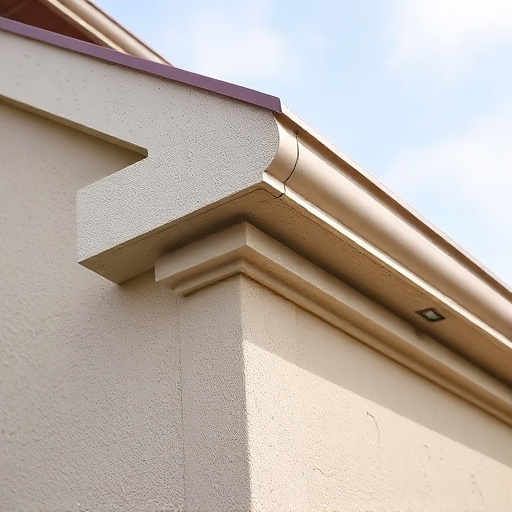
In the arid climate of felt paper, desert homes face unique challenges for roof integrity. Flashing, parapets, and stucco-essential components that protect against the elements-can degrade over time due to sun damage, extreme temperatures, and the relentless desert winds. Cracked and slipped tile, leaking chimneys and vents, and damaged wall-to-roof junctions are common issues that, if left unaddressed, can lead to costly and hazardous situations.
Regular maintenance and timely repairs, such as ridge cap and hip tile repair, are crucial to preventing these problems from escalating. This article examines the intricacies of these repairs, offering practical insights and expert advice for homeowners and property managers understanding desert roof care. By understanding the significance of each repair, you'll be better equipped to maintain your home's value and safety.
- Understanding Desert Home Exterior Damage
- Evaluating Flashing, Parapet, and Stucco
- Repair Techniques: Ridge Cap to Stucco
- Maintaining Desert Homes Post-Repair
Understanding Desert Home Exterior Damage
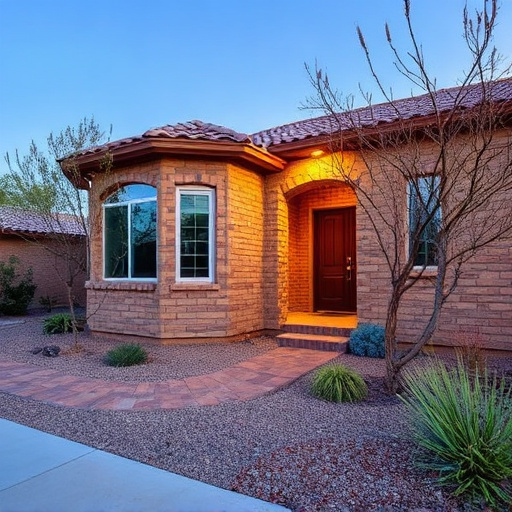
The desert environment poses unique challenges for homeowners, particularly for exterior repairs. In Oro Valley, where many homes are nestled in the scenic Rancho Vistoso area, the harsh sunlight, extreme temperatures, and powerful winds can take a toll on exterior structures. This is especially true for roofing, where issues like cracked and slipped tile, underlayment leaks, and damage from bird and pest activity are common.
The exterior of a desert home, often featuring stucco and tile roofs, is particularly vulnerable to several types of damage. Stucco, for instance, can crack due to thermal expansion and contraction, especially around window and door openings. These cracks can allow water penetration, leading to mold and structural damage. Similarly, tile roofs are susceptible to sun damage, which can cause them to loosen, slip, or crack, creating leaks that compromise the entire roofing system. The ridge cap and hip tiles, critical components that seal the roof's peaks and edges, are also vulnerable to damage from strong winds and extreme heat, necessitating expert repair or replacement.
A roofing contractor serving Oro Valley and Marana will often encounter these issues during home inspections. The key to preventing major repairs lies in identifying and addressing small problems before they escalate. Regular inspection can catch loose or missing shingles, cracked flashing, or damaged gutters before they cause significant water damage. In the case of ridge cap and hip tile repair, a professional will assess the extent of the damage and decide whether to patch or recoat the affected areas. This proactive approach not only saves on the cost of extensive repairs but also ensures the longevity of the home's exterior, aligning with the standards set by the local Oro Valley HOA.
Proper flashing installation and repair are crucial, especially around roof penetrations like chimneys and vents, and at the wall-to-roof junction. Flashing prevents water from seeping into these areas, where it could cause extensive damage to the roof decking and interior. Regular maintenance and timely repairs, guided by the expertise of a local roofing contractor, are vital to safeguarding the desert home's exterior against the harsh environmental conditions of felt paper.
Evaluating Flashing, Parapet, and Stucco
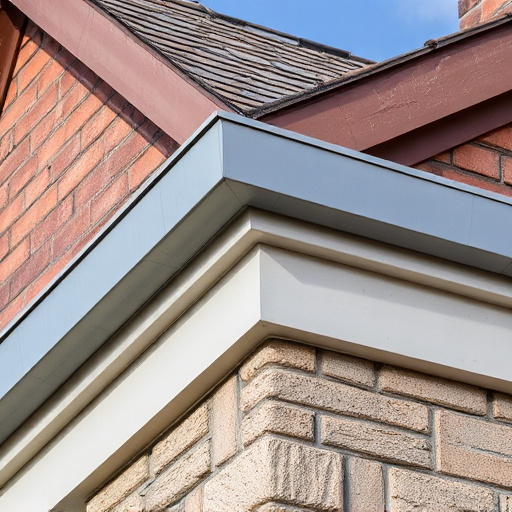
Evaluating Flashing, Parapet, and Stucco: A Practical guide for Desert Homeowners
In the rugged, arid landscape of the Catalina Foothills, where homes are often exposed to intense sunlight and rapid temperature changes, proper flashing, parapet, and stucco maintenance is crucial. These exterior components, while durable, are susceptible to damage from water intrusion, extreme weather, and age. Understanding the state of these elements is essential for any homeowner in Oro Valley or surrounding areas.
Flashings-like ridge caps and hip tiles-are vital for redirecting water away from your home's structure. Over time, these can become cracked, loosened, or damaged, leading to leaks and, ultimately, ceiling stains. A licensed Arizona roofer like DC Roofing of Arizona can inspect and repair these flashings, ensuring they're adequately sealed and aligned. Ridge cap and hip tile repair is a common service, addressing issues that might go unnoticed until serious structural damage occurs. Regular checks can prevent these problems from escalating.
Stucco serves as a protective barrier against the elements, but it's not invincible. Cracks, peeling, or bulging can signal underlying issues, such as water damage or poor installation. Improperly installed or damaged stucco can allow water to penetrate, leading to costly interior repairs. Professional assessment is key; experts can patch or replace damaged areas, ensuring the stucco's effectiveness. A local roofing company serving Oro Valley and Marana will employ techniques tailored to the desert climate, promoting longevity and durability.
Parapets, typically made of brick, stone, or metal, protect the perimeter of your roof. They can suffer from rust (in metal parapets), cracks, or erosion over time. These issues can compromise the structural integrity of your roof and create entry points for water. A 24/7 emergency roofer can quickly assess and repair these problems, preventing potential collapse scenarios. Remember, proper maintenance and timely repairs are the best defenses against costly, and often avoidable, home repairs.
Repair Techniques: Ridge Cap to Stucco
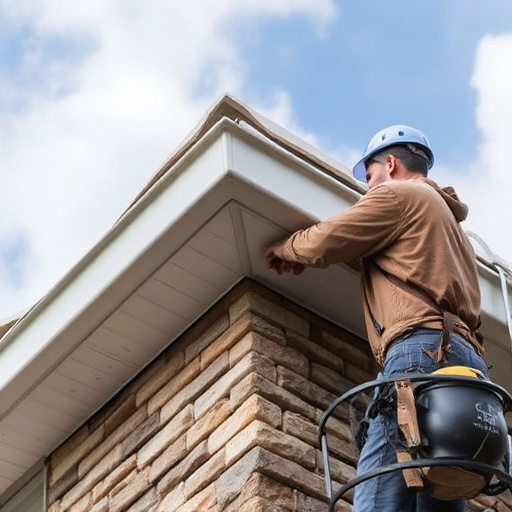
Ridge caps and hip tiles are integral components of a desert home's roof system, designed to withstand the harsh conditions of the region while maintaining aesthetics. When these elements are damaged, whether by cracked or slipped tiles, aging, or extreme weather, they require meticulous repair to prevent further damage. An experienced Oro Valley roof specialist will assess the situation, often identifying issues like water penetration, mold growth, or structural compromise.
In the case of ridge cap and hip tile repair, the process begins with removing the damaged or loose tiles, exposing the underlying felt paper-a crucial component in desert roofs for water protection and insulation. The contractor inspects the underlayment for any signs of rot or damage, addressing these issues before proceeding. If the felt paper is torn or damaged, it's replaced to ensure a waterproof barrier. The next step involves repairing or replacing the ridge cap and hip tiles, ensuring they're properly aligned and secured. This may include using new flashing to seal the joints, preventing water intrusion and ensuring the tiles are protected against the elements.
The expertise lies in matching the new tiles to the existing roof, especially when dealing with discontinued styles or colors. The roofer might also recommend enhancing the aesthetic appeal with custom-cut tiles or unique designs, adding value and character to the property. Once the repairs are complete, a thorough inspection ensures the ridge cap and hip tiles are functioning optimally, contributing to the overall durability and longevity of the desert home's roof system. This proactive approach, focusing on small repairs that prevent big problems, is a hallmark of quality roofing services in the Oro Valley area.
Maintaining Desert Homes Post-Repair
After any roof repair in a desert environment, maintaining your home's integrity is paramount. Flashing, parapet walls, and stucco are crucial components that, if neglected, can lead to significant issues down the line. Let's break down how to ensure these areas remain protected and functional.
In desert climates, where extreme temperatures and sun exposure are common, ridge cap and hip tile repair becomes especially vital. These areas are susceptible to damage from heat expansion and contraction, leading to cracks and leaks. A thorough inspection should always be the first step, identifying any weakened or missing tiles that need replacing. When repairing or replacing tiles, it's crucial to match the existing material as closely as possible, particularly with discontinued brands. DC Roofing of Arizona, a local roofing company serving Oro Valley and Marana, emphasizes the importance of using high-quality materials and expert craftsmanship to ensure the longevity of these repairs.
Beyond tile replacement, proper flashing installation and maintenance is key. Flashing, a thin layer of water-resistant material, is crucial for sealing joints and preventing water intrusion. Over time, flashing can become damaged or deteriorate, especially in areas prone to moisture like roof valleys. Regular inspections should include checking the condition of flashing, patching any tears or gaps, and ensuring proper drainage. A well-maintained underlayment, the layer beneath the shingles or tiles, also matters in protecting against leaks.
Parapets, the walls that surround the roofline, require similar attention. They not only serve an aesthetic purpose but also act as a crucial barrier against falling debris and providing wind protection. Inspecting parapet walls for cracks, corrosion, or signs of water damage is essential. Repairs may involve re-pointing mortar, replacing damaged sections, or applying a fresh coat of protective coating. Remember, addressing these issues promptly prevents more serious and costly problems down the line.
Frequently Asked Questions About an explainer on flashing, parapet and stucco repairs on desert homes
What are the primary concerns when repairing these structures in a desert environment?
In desert climates, the primary focus shifts to moisture management. Flashing, parapets, and stucco all require specific attention to prevent water penetration. This includes ensuring proper drainage systems, using water-resistant materials, and sealing joints and edges meticulously. The extreme heat and cold fluctuations also demand robust materials that can withstand thermal stress.
How do I know if my home needs flashing repair?
Look for signs like peeling, cracking, or blistering on the exterior walls, especially around window frames, doors, and roof lines. If you notice water stains, mold growth, or a musty smell indoors, these could be indicators of faulty flashing allowing moisture intrusion. Regular inspections by a licensed contractor can also help identify potential issues early on.
Are there different types of flashing used in desert home repairs?
Absolutely. For desert homes, self-adhesive flashing, also known as flashings with a backing tape, is commonly used for its ease of application. Penetratable or liquid flashings are also employed, especially in areas with complex shapes or where additional sealing is required. The choice depends on the specific needs of the repair and the preferences of the contractor.
What materials are best for desert home parapets?
Given the extreme weather conditions, desert homes often benefit from concrete or precast concrete parapets. These materials are robust, durable, and can withstand high temperatures. They also provide good drainage, which is crucial for preventing water damage. Regular painting or sealing can further extend their lifespan.
How do I know if my stucco needs repairing?
Stucco repairs are necessary when you observe cracks, chips, or peeling areas on the exterior. If the surface is uneven, has visible gaps, or shows signs of water damage, it's best to consult a professional. Prompt repair is essential to prevent further damage and maintain the aesthetic appeal of your home.
Can I attempt these repairs myself, or should I hire a professional?
While some minor repairs can be tackled by homeowners, complex flashing, parapet, or stucco repairs are best left to licensed professionals. They have the expertise and tools to ensure the work is done correctly, safely, and in compliance with local building codes. Regular professional maintenance can also help extend the lifespan of these essential exterior components.
Understanding the unique challenges of desert home exteriors, from sun damage to plumbing vent leaks, is crucial for any Oro Valley homeowner. By evaluating flashing, parapets, and stucco, homeowners can identify common repair needs, such as ridge cap and hip tile repairs. Implementing these repairs, as detailed in our article, not only increases the home's longevity but also prevents small issues from becoming costly, large-scale problems.
The techniques discussed, ranging from ridge cap to stucco repairs, offer a comprehensive approach to maintaining desert homes. Regular maintenance, including gutter repairs, roof drain and downspout repairs, and bird stop replacements, is key to ensuring the durability of these structures. By following these expert tips and working with a qualified local roofer, such as DC Roofing of Arizona, homeowners can safeguard their investments and protect their families.
In the end, the value of this guide lies in its practical, actionable insights. Homeowners now have the knowledge to recognize issues, understand the repair process, and take proactive steps to preserve their desert homes. Armed with this expertise, they can make informed decisions, ensuring their properties remain safe, sound, and beautiful for years to come.
In the harsh desert climate of Oro Valley, proper maintenance of exterior structures is crucial. Flashing, parapets, and stucco are vital components that require regular inspection and repair. Ridge cap and hip tile repair is common due to extreme weather conditions, with issues like cracked or slipped tiles leading to water penetration and structural damage. A licensed roofing contractor can inspect and repair these areas, ensuring longevity and preventing costly repairs. Regular maintenance, including flashing installation and parapet wall checks, is key to safeguarding the desert home's exterior.