In the hot, dry climate of felt paper, an aging roof is more than just an eyesore; it's a potential catastrophe waiting to happen. Leaks, damage from sun and wind, and other roofing issues can escalate quickly, leading to costly repairs or even complete replacement. The good news is, many of these problems can be avoided or minimized through timely, effective repairs. By prioritizing small repairs that prevent big ones, homeowners can extend the life of their roofs and protect their investments. This article will guide you through the critical decisions of repairing or replacing your roof, drawing on the expertise of local professionals and leveraging the latest knowledge in Oro Valley roofing.
- Assess Roof's Age & Condition: Key Factors
- Cost-Effective Small Repairs vs Big Replacements
- Long-Term Savings: Preventing Major Leaks
- Expert Advice: When to Repair, When to Replace
Assess Roof's Age & Condition: Key Factors
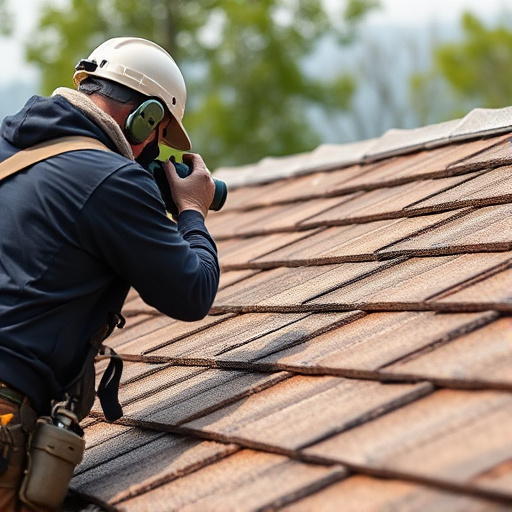
When deciding between roof repair and replacement, assessing your roof's age and condition is the first crucial step. The age of your roof matters in determining its overall health and longevity. Generally, most roofs last between 20 to 30 years, but this can vary based on factors like material, installation quality, and local climate. In desert regions like Tucson, where intense sunlight and fluctuating temperatures are common, roofs often show signs of wear and tear earlier.
One of the key indicators to watch for is the condition of the tiles or shingles. Cracked or slipped tiles, especially in roof valleys, are signs of stress and potential leaks. Sun damage can cause tiles to become brittle and easily dislodge, while extreme temperatures can lead to slipped tiles. If you notice these issues, it might be a good time to consider repairs rather than waiting for more severe damage. Small repairs, like patching tile underlayment leaks or fixing slipped tiles, can prevent bigger problems down the line. A licensed Arizona ROC roofer can assess these issues and provide guidance tailored to your roof's specific needs.
Look out for signs of water damage, including discolored or warped boards, and check for leaks in roof valleys and around chimneys. These areas are particularly vulnerable to damage, and addressing small repairs now can save you from costly replacements later. Regular inspections by a professional can help identify these issues early on. By taking proactive measures, such as repairing or replacing worn-out components, you can extend your roof's life and avoid the need for a complete replacement, which can be a significant financial investment.
Cost-Effective Small Repairs vs Big Replacements
When an old roof starts to show its age, homeowners often face a critical decision: repair or replace? While a complete roof replacement might seem like the easier choice, especially with the advanced, durable materials available today, a roofing contractor serving Oro Valley and Marana often recommends considering cost-effective small repairs first. This proactive approach can extend the life of your roof and prevent more significant, costlier problems down the line.
Small repairs that prevent big ones are a cornerstone of a well-maintained roof. A simple fix like patching tile underlayment leaks can stop a minor issue from becoming a full-blown roof replacement project. Elastomeric coatings, a versatile and long-lasting solution, can be applied to existing roofs to protect against moisture intrusion, a common cause of extensive damage. Even something as seemingly minor as repairing scuppers-the roof's drainage channels-can divert water flow, preventing water damage and prolonging the life of your roofing materials.
Focusing on these targeted repairs is particularly beneficial for desert homes, where intense sunlight and fluctuating temperatures can accelerate wear and tear. Regular maintenance, including checking and repairing roof valleys, is crucial. These areas are often overlooked but can be vulnerability points due to their shape and location. By investing in these small but vital repairs, homeowners can avoid the more substantial costs associated with replacing an entire roof. Remember, while a new roof might be more aesthetically pleasing, it's the small repairs that truly safeguard your home from the harsh desert elements.
Long-Term Savings: Preventing Major Leaks

When considering whether to repair or replace an aging roof, one of the most important factors to evaluate is the potential for preventing major leaks in the long term. While a complete roof replacement might seem like the easier solution, small repairs that prevent big ones can be a more cost-effective and sustainable path. A licensed Oro Valley area roofing contractor can help you navigate this decision by providing expert insights into the current state of your roof and its future needs.
Regular maintenance, including small repairs, plays a crucial role in extending the life of your roof. Addressing issues in roof valleys and ridge caps early can stop water intrusion and prevent costly damage. A moisture meter can be used to identify areas of concern, such as where roof tiles are missing or cracked, enabling targeted repairs before water seeps through. By fixing these minor problems, you can avoid having to replace entire sections of your roof down the line.
Focusing on preventative measures like patching and replacing underlayment, and repairing flashing around chimneys and vents, can significantly reduce the risk of major leaks. These small repairs act as a shield against the elements, especially in the harsh desert climate of Oro Valley. A proper patch job on a flat roof can prevent water pooling and subsequent damage from sun exposure, which often leads to costly replacements. A local roofing contractor can guide you in prioritizing these repairs to ensure your home stays protected for years to come.
Expert Advice: When to Repair, When to Replace
When faced with an aging roof, deciding between repair and replacement can be a daunting task. A local roofing company serving Oro Valley often receives this question, and the answer isn't always straightforward. While a complete roof replacement might seem like the easier choice, especially when dealing with significant structural issues or extensive damage, repairs can often be a more cost-effective and efficient solution, preventing more serious problems down the line. A key consideration is understanding that small repairs can indeed prevent big ones; addressing issues early can save you from costly and urgent repairs later.
Visual cues like ceiling stains and signs of water intrusion from a moisture meter can indicate a problem with your roof's underlayment. These are not always signs of a total replacement need, but they do warrant attention. A professional inspection can help differentiate between repairs needed for the underlayment and other areas, such as the shingles or flashing. In many cases, a simple patch or replacement of a few missing or damaged shingles can extend the life of your roof, especially if the underlayment is still in good condition. A local roofing company in Oro Valley may recommend replacing a few missing tiles and sealing any leaks rather than replacing the entire roof when the structure is sound.
However, if your roof is nearing the end of its lifespan, or there are significant structural damages, replacement might be the better choice. An older roof that has been repaired multiple times may be nearing its useful life, and a replacement can offer a fresh start. In these cases, it's essential to consider the cost-benefit analysis and the long-term investment. Remember, the goal is to make informed decisions that align with your budget and the longevity of your home. Regular maintenance, including small repairs, can significantly contribute to a roof's lifespan, saving you from the expense and disruption of a full replacement.
Frequently Asked Questions About advice on deciding between repairing and replacing an aging roof
What is the best course of action when my roof starts to show signs of aging?
When your roof begins to show signs of aging, such as missing shingles, leaks, or discolored areas, it's crucial to assess your options carefully. Start by conducting a thorough inspection to determine the extent of the damage. Consult with a licensed roofing contractor who can provide a professional evaluation. They'll help you weigh the costs and benefits of both repair and replacement, considering factors like the roof's remaining lifespan, the cost of materials and labor, and potential long-term savings.
How do I know if a repair is feasible or if I should consider replacement?
The feasibility of repairs largely depends on the severity of the damage. Minor issues like missing or cracked shingles can often be repaired. Major problems like extensive leaks, structural damage, or more than 20 years since installation usually require replacement. A contractor can assess your roof's condition and advise on the best course of action. They'll consider factors like the roof's age, local climate, and your budget to determine whether repairs or a full replacement would be more cost-effective.
What are the typical costs involved in roof repairs?
The cost of repairs varies based on the extent of the damage. Small repairs, such as replacing missing or damaged shingles, may only cost a few hundred dollars. More significant issues, like patching leaks or repairing structural damage, can range from $1,000 to $3,000. It's essential to get multiple estimates from licensed contractors to understand the full scope of the repair costs.
How long does a new roof typically last?
The lifespan of a new roof depends on several factors, including the quality of materials used, installation, and local climate. Asphalt shingles, for instance, can last 15 to 30 years on average. Metal roofs often have longer lifespans, ranging from 40 to 60 years. Quality and proper installation play a significant role in extending the lifespan of your new roof.
Are there any indicators that my roof needs replacement sooner rather than later?
Several signs point to the need for early roof replacement. Persistent leaks, despite repairs, are a clear indicator. Uneven or bulging ceilings, weak or loose shingles, and significant energy bills due to poor insulation are also red flags. Regular maintenance, including annual inspections, can help prevent unexpected issues. A licensed contractor can conduct a thorough assessment to confirm the condition of your roof and advise on the best timing for replacement.
When deciding between repairing and replacing an aging roof, remember that small repairs can prevent major leaks and significantly extend the life of your roof. By focusing on cost-effective, localized fixes, such as patching tile underlayment leaks, repairing chimneys and vents, and replacing worn-out bird stops, you can delay the need for a full replacement. These small steps not only save you money but also ensure your home stays protected against desert heat and other environmental factors.
Expert advice suggests evaluating your roof's age and condition, considering the long-term savings, and understanding that some repairs, like patching vs. Recoating a flat roof, can be more lasting than others. Regular maintenance and timely repairs are key to preventing major leaks and costly replacements. Fixing a bad roof repair or matching discontinued roof tiles can extend the lifespan of your existing roof, making it a more economical choice in the short term.
Prioritizing small repairs that prevent big ones is a strategic approach to maintaining your roof. By adopting a proactive mindset and staying informed about common roof issues, you can protect your home and avoid costly, unnecessary replacements. This practical approach leverages the expertise of local professionals and leverages the knowledge gained from this article.
When deciding between roof repair and replacement in desert regions like Tucson, assessing your roof's age and condition is crucial. Small repairs, such as patching tile leaks, fixing slipped tiles, and addressing water damage, can prevent bigger problems. Regular inspections and targeted repairs, like fixing scuppers and checking valleys, extend the roof's life, saving money compared to a complete replacement. While a new roof is aesthetically appealing, small repairs that prevent big ones are the key to safeguarding your home from desert elements.