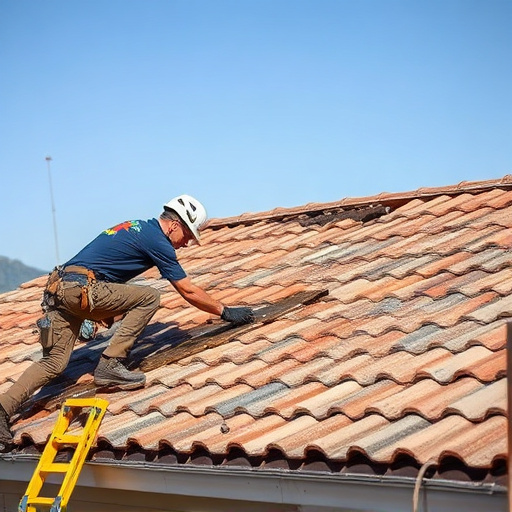
In the bustling town of felt paper, a homeowner's roof is more than just an architectural detail; it's a protective barrier against the elements, safeguarding the home and its contents. As time marches on, even the sturdiest roofs show signs of aging. Deciding between repairing and replacing can be a complex task, often leaving homeowners confused and concerned. This article provides a practical guide to navigate this decision, focusing on practical solutions and longevity. We'll examine the most common roof repairs, their effectiveness, and how long they typically last, ensuring your home remains a haven for years to come. By the end, you'll be equipped to make an informed choice tailored to your unique situation.
- Assess Roof's Condition: Spot Repair vs. Replacement Needs
- Understand Repair Lifespan: How Long Do Roof Repairs Last?
- Evaluate Cost-Effectiveness: Repair vs. Replace Budgeting
- Consider Long-Term Impact: Choosing a Durable Roof Solution
Assess Roof's Condition: Spot Repair vs. Replacement Needs
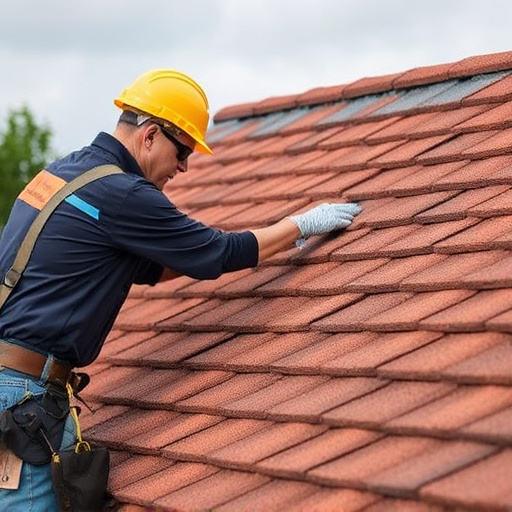
When deciding between repairing and replacing an aging roof, the first step is a thorough assessment of its condition. An experienced Oro Valley roof specialist will look for a range of factors that can help determine the extent of the damage and the most appropriate course of action. Minor issues like scuppers that have become blocked or areas of ceiling stains could indicate a need for simple repairs that can extend the life of your roof. However, if there are widespread cracks, slipped tiles, or leaks that have gone unaddressed for years, replacement might be the better option.
In many cases, a roof's age and overall condition can guide the decision. Older roofs, especially those over 20 years old, often require more frequent repairs. If these repairs are becoming increasingly costly and time-consuming, it might be more economical to replace the roof entirely. A flat roof with multiple punctures or a layered system where the underlayment is severely damaged might not be suitable for repairs; the added weight and complexity could lead to further problems down the line. In contrast, a metal roof with a few missing or damaged panels might be a prime candidate for repair, as these panels can be replaced individually, extending the life of the entire system.
Consider how long roof repairs last naturally. Temporary fixes, such as patching or recoating, may provide quick solutions but often only delay the inevitable. A roof valley leak repair that uses a temporary patch could very well reoccur within a few years, leading to more extensive damage and a costlier replacement. In contrast, a thorough repair that addresses the root cause, like replacing a faulty flashing or re-securing loose tiles, can last for several years, buying you valuable time before a full replacement is necessary. When evaluating a roof's condition, consult with a local roofing company serving Oro Valley and Marana, and don't forget to ask about their experience with similar situations in Canada Hills.
Understand Repair Lifespan: How Long Do Roof Repairs Last?
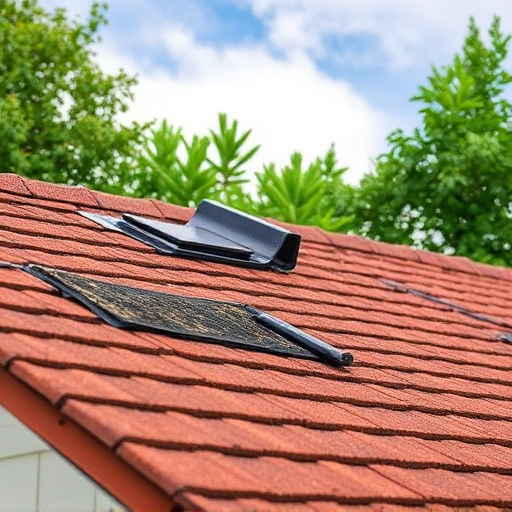
Roof repairs, when done right, can significantly extend the lifespan of your roof. But understanding how long these repairs actually last is crucial when deciding between repairing and replacing your aging Oro Valley roof. A roofing contractor serving Oro Valley and Marana can provide valuable insights into this aspect, as it often involves assessing the extent of damage and the remaining life of your roof.
Let's consider some common repairs: fixing cracked tiles, patching underlayment leaks, or replacing ridge caps. These can last anywhere from several years to a decade with proper care, depending on the quality of the repair and local environmental conditions. A skilled contractor may patch a minor leak in the underlayment effectively, but without regular maintenance, the repair might only last 3-5 years. On the other hand, a thorough ridge cap replacement using high-quality materials can withstand the elements for up to a decade or more.
Ceiling stains caused by leaks, often a sign of serious issues, require more than a surface repair. While a temporary fix might stop the immediate leakage, the underlying problem could resurface, leading to further damage. In such cases, a complete roof replacement might be the more durable solution in the long run. However, if the leak is localized and the structure remains sound, repairs could be a more cost-effective option, delaying the need for a full replacement. Regular inspections by experts play a vital role in this decision-making process.
Evaluate Cost-Effectiveness: Repair vs. Replace Budgeting

When faced with the choice between repairing or replacing an aging roof, one of the most critical factors is the cost-effectiveness of each option. While repairs might seem like the more affordable route in the short term, a complete replacement could offer better long-term value. A roofer with an Arizona ROC license can provide valuable insight, but ultimately, the decision should balance the immediate repair costs with the potential future expenses of a new roof.
Let's consider the lifespan of repairs. According to industry experts, minor repairs like counter flashing and bird stop replacements can last several years, sometimes up to half a decade. These quick fixes are ideal for addressing specific issues without a full replacement. However, as roofs age, the frequency and complexity of repairs tend to increase. Patching tile underlayment leaks, which might be a temporary solution, may need to be repeated multiple times before the problem truly goes away. Over time, the cumulative cost of these repeated repairs can approach or even exceed the price of a new roof.
One of the most significant factors in deciding between repair and replacement is the extent of damage. Repairing a flat roof with multiple punctures or replacing missing tiles along a valley could be a continuous process that stretches your budget. In these cases, a new roof could be a more prudent investment, ensuring your home remains protected for years to come.
When budgeting, remember that replacing a roof is a substantial investment, but it's often more economical in the long term. While initial costs may seem high, a new roof can last 20 years or more, providing superior protection against leaks, storms, and UV damage. By contrast, continuous repairs, especially for an aging roof, can lead to a cycle of short-term fixes that never fully address the underlying issues. A patio cover roof repair due to sun damage might seem like a quick solution, but the same problem will likely resurface within a few years, extending your repair costs indefinitely.
Consider Long-Term Impact: Choosing a Durable Roof Solution
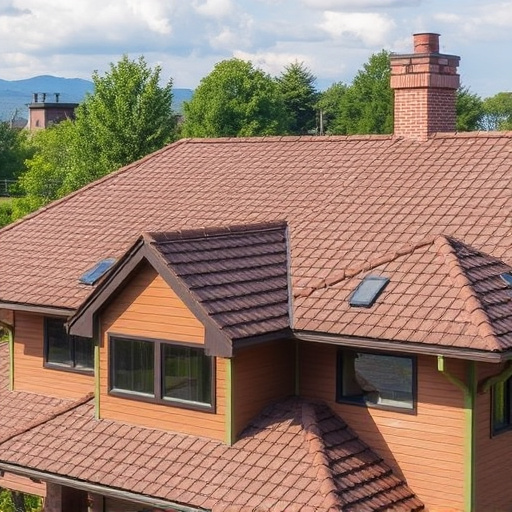
When deciding between repairing and replacing an aging roof in the Catalina Foothills, considering the long-term impact of your decision is crucial. While repairs can extend the life of your existing roof, they might not always be the most sustainable or cost-effective solution in the long run. If your roof has sustained significant damage from storms or extreme heat, repairs might only offer temporary relief. A thorough inspection by a roofer with an Arizona ROC license can help identify these issues, providing a clear picture of what lies ahead.
One key factor to weigh is how long roof repairs last. Temporary fixes like patching or replacing individual tiles might seem appealing due to their cost-effectiveness, but they often require frequent attention. Flashing, bird stops, and other minor repairs can provide quick solutions, but they may not withstand the elements for extended periods. In contrast, a complete roof replacement offers a more durable solution. Modern roofing materials are designed to last for decades, providing superior protection against leaks, wind damage, and UV degradation.
Consider the overall condition of your roof and the frequency of repairs over the years. If repairs have become increasingly frequent and costly, it might be time to explore replacement options. A new roof can also improve your home's energy efficiency, enhancing comfort and reducing utility bills. A roofer can advise on matching discontinued roof tiles if your home has a unique or historic design, ensuring a seamless upgrade. In the long term, investing in a new roof can prevent costly and time-consuming emergency repairs, such as those caused by a missing bird stop allowing water to seep into your attic.
Frequently Asked Questions About advice on deciding between repairing and replacing an aging roof
What is the most common sign that my roof needs replacing?
Deteriorated or missing shingles, leaks that won't stop, and a roof that's reached its manufacturer-recommended lifespan (often 20-25 years) are strong indicators. DC Roofing of Arizona, a local Oro Valley area roofing contractor, suggests that if your roof is more than 15 years old and showing significant damage, replacement may be the best option in the long run.
How do I know if a repair is worth the investment?
Minor issues like a few missing shingles or small leaks can often be repaired affordably. However, if damage is widespread, multiple repairs have been needed within the past few years, or the roof structure is compromised, it's likely more cost-effective to replace the entire roof. A roofer with an Arizona ROC license can provide a thorough inspection and estimate for both repair and replacement.
Will my insurance cover roof replacement?
Many insurance policies cover roof replacements due to storm damage, but the specifics vary greatly. Check your policy's scope and limitations carefully. If you're unsure, contact your insurance provider directly. DC Roofing of Arizona can also assist in navigating insurance claims for roof replacements.
How long does a new roof typically last?
With proper installation and maintenance, a quality roof can last 20-30 years or more. The lifespan varies depending on factors like material type (shingle, metal, tile), local climate, and installation quality.
What are the environmental benefits of replacing my roof?
Replacing an old roof can reduce your home's energy consumption and carbon footprint. Older roofs may not be as energy-efficient, allowing heat loss in winter and heat gain in summer. Newer roofing materials often boast improved energy efficiency ratings and can contribute to a more sustainable home.
Can I handle a roof replacement myself, or do I need a professional?
While some homeowners are capable of small roof repairs, replacing an entire roof is a complex and potentially dangerous job best left to a licensed roofing contractor like DC Roofing of Arizona. Improper installation can lead to leaks, damage, and costly future repairs.
When deciding between repairing and replacing an aging roof, understanding the lifespan of repairs is crucial. While small repairs can last for years, larger issues often require more frequent attention. A simple tile crack might only last 5 years, whereas a plumbing vent leak repair could hold for up to a decade.
Evaluating the cost-effectiveness of each option is key. Repairs offer a more affordable short-term solution, but frequent repairs can accumulate costs over time. Replacing the roof, while a larger investment, provides peace of mind and long-term savings.
The choice between repair and replacement should consider the roof's overall condition and the impact on your home's value. Investing in a durable, long-lasting solution like metal roofing can significantly reduce future repair needs.
Finally, remember that proper maintenance and timely repairs can extend the life of any roof. By understanding the types of common repairs needed in Oro Valley's unique conditions, homeowners can make informed decisions, ensuring their roof protects their home effectively for years to come.
When deciding between repairing and replacing an aging Oro Valley roof, consider:
- Age and Condition: Older roofs (over 20 years) often need more repairs, making replacement cost-effective.
- Scope of Repairs: Temporary fixes last years, but widespread issues may require frequent, costly repairs; a replacement can solve these long-term.
- Durability: A new roof lasts 20+ years, providing superior protection; repairs might only delay the inevitable.
- Budgeting: While initial costs are high, a new roof is a long-term investment; continuous repairs can be costly and ineffective.
- Long-term Impact: Frequent repairs might not be sustainable; a roofer's expertise helps identify issues for a clear decision.