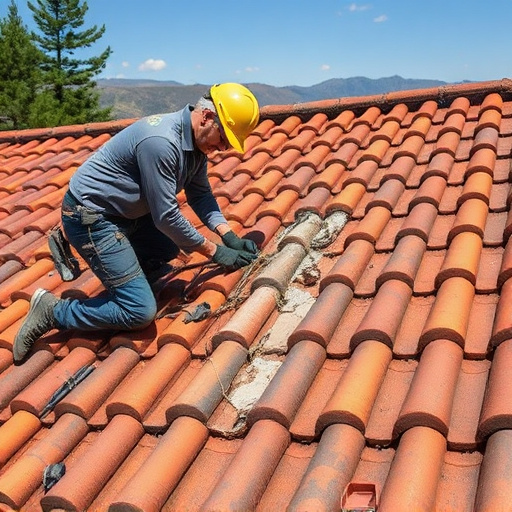
In the harsh desert climate of felt paper, sun-damaged roofs are a common concern. The relentless sun, intense heat, and rapid temperature changes take a toll on roofing materials, leading to issues like cracked and slipped tiles, leaks in the tile underlayment, and damage at the wall-to-roof junction. These problems, if left unaddressed, can spiral into costly and dangerous structural issues. Flashing, parapet, and stucco repairs are crucial for maintaining the integrity of your home, ensuring the protection of its interior and exterior from the elements. This article examines the intricacies of these repairs, offering a practical guide to help homeowners understand the importance of timely intervention and the benefits of expert care.
- Understanding Desert Home Roof Damage
- Assessing Flashing, Parapet, and Stucco Issues
- Natural Solutions for Sun-Damaged Roof Repairs
- Step-by-Step Guide to Effective Repairs
Understanding Desert Home Roof Damage
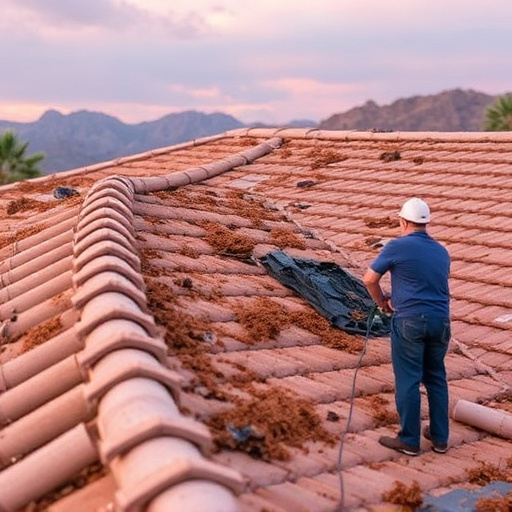
Desert homes, with their unique challenges posed by the arid climate, often require specialized care for roof repairs. The relentless sun, intense heat, and fluctuating temperatures can take a toll on various roofing materials, leading to a range of issues that need expert attention. One of the most common concerns is sun-damaged roof repair, which can manifest in several ways.
Over time, excessive UV exposure can cause roofing materials to deteriorate, including shingles, tiles, and even the underlayment. This is where a professional roofing contractor, like a licensed Oro Valley area roofing contractor, becomes indispensable. They employ advanced tools, such as a moisture meter, to assess the extent of the damage and determine the best course of action. If the problem is limited to cracked or slipped tiles, a simple patching and replacement can restore the roof's integrity. However, more severe sun damage might require a complete repair or replacement of the roofing system.
Stucco, a popular choice for desert homes due to its durability and aesthetic appeal, is particularly vulnerable to sun-related deterioration. The constant exposure can lead to cracks and peeling, especially around the roof's edges and parapet. Regular inspections are key to catching these issues early. A comprehensive home inspection might reveal a need for ridge cap and hip tile repair, which are critical for maintaining the roof's water-tightness. The installation or replacement of bird stops can prevent further damage caused by feathered visitors seeking shelter from the sun.
Moisture meter readings play a vital role in diagnosing and treating the root causes of roof leaks in desert homes. By measuring the amount of moisture present, contractors can identify areas of concern, whether it's a leaky gutter, damaged flashing, or a sun-weakened underlayment. Once identified, these issues can be efficiently addressed, such as repairing or replacing flashing around the parapet, which is a common point of entry for water in desert environments.
Assessing Flashing, Parapet, and Stucco Issues
Assessing Flashing, Parapet, and Stucco Issues
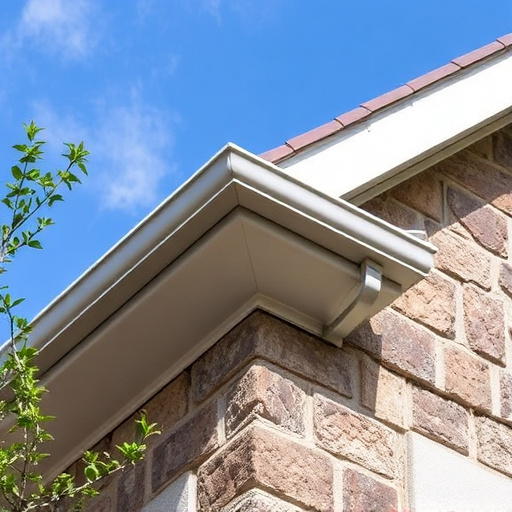
For maintaining a desert home, addressing flashing, parapet, and stucco issues is crucial, especially in Oro Valley's harsh climate. These components play a vital role in protecting your roof and walls from the elements, and neglecting them can lead to significant damage over time. A common problem in this region is sun-damaged roofing, where excessive UV exposure weakens materials, causing cracks, slippage, and leaks. This is where a licensed Oro Valley area roofing contractor comes in, offering expert eyes to identify these issues.
During an inspection, our team carefully examines the flashing, a thin layer of material that seals the joints and edges of the roof. We look for signs of degradation, such as corroded metal or cracked caulk, which can allow water penetration. We assess the parapet, the wall that runs along the roofline, checking for cracks, missing or damaged bird stops, and proper drainage. These details are critical for preventing water damage and ensuring the longevity of your home's exterior. A poorly maintained bird stop can lead to water seepage and compromised structural integrity.
Stucco, a popular choice for desert homes, also requires regular attention. We inspect for cracks, especially at corners and joints, which can indicate underlying structural problems. If water has infiltrated, we may recommend patching the underlayment or even replacing damaged sections. In cases of severe sun damage, we might suggest a complete stucco repair, ensuring your home remains protected from the harsh desert sun. Consider a Rancho Vistoso residence where years of neglect led to extensive stucco cracking; a thorough assessment and repair restored its protective barrier, extending the life of the home's exterior.
Natural Solutions for Sun-Damaged Roof Repairs
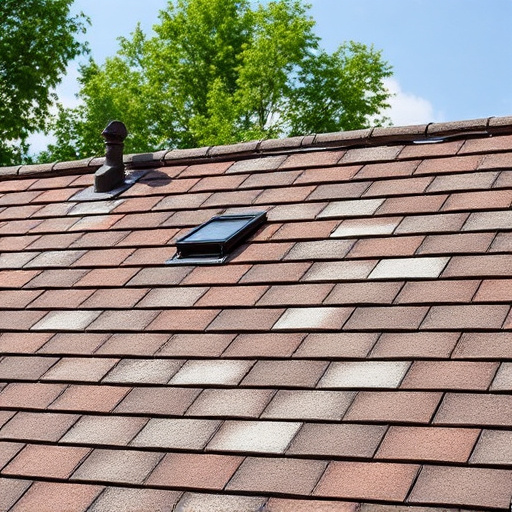
The sun's relentless rays can take a toll on your desert home's roof, leading to sun-damaged tiles, flashing issues, and even compromised parapet walls. But there's no need to panic; these repairs can be handled with a natural, long-lasting approach. At its core, sun-damaged roof repair naturally involves addressing the unique challenges posed by the desert climate while preserving the integrity and aesthetic appeal of your home.
One of the most visible signs of sun damage is cracked or slipped tiles in the roof valleys, a common occurrence due to the intense heat and sudden temperature changes. To fix this, a licensed Arizona roofer will carefully remove the damaged tiles, clean the area, and replace them with new, matching tiles. This process not only repairs the aesthetic issue but also prevents water infiltration, a critical step in maintaining your home's structural integrity. They'll inspect the underlying flashing and underlayment for any signs of damage, patching or replacing as needed. Flashing, those thin layers of material that seal the joints, is particularly vulnerable to sun damage, as it's constantly exposed to extreme conditions.
Another natural solution involves addressing roof penetrations, such as vents and plumbing stacks. Over time, these areas can become vulnerable to leaks due to the constant thermal expansion and contraction. A proactive approach is to regularly inspect and seal these penetrations using high-quality, sun-resistant materials. Using reflective or cool-to-the-touch shingles can mitigate the sun's direct heat on the roof, reducing the overall stress and extending the life of your roof. Regular maintenance checks, including cleaning gutters and downspouts, are crucial. Clear gutters ensure proper water flow, preventing water damage and potential roof leaks, especially in the roof valleys, a common area for sun-related damage.
Step-by-Step Guide to Effective Repairs

When sun damage, leaks, or other issues affect your desert home's roof, effective repairs are crucial to preserve its structural integrity and aesthetic appeal. This step-by-step guide details the process for addressing flashing, parapet, and stucco issues, common in Oro Valley's climate.
Identifying the Root Cause: The first step is understanding the specific problem. A leak could result from a damaged underlayment, a loose or cracked tile, or issues with the flashing around chimneys and vents. Ceiling stains, often the first visible sign of a problem, can point to leaks within the roof structure, particularly in areas with high humidity. A local roofing company serving Oro Valley can assist in diagnosing these issues through a thorough inspection.
Underlayment Repair and Replacement: The underlayment, a protective layer beneath the shingles or tiles, is vital for preventing water intrusion. If the underlayment is damaged or missing, it's essential to repair or replace it promptly. This process involves removing the affected area, installing new underlayment, and ensuring proper sealing to safeguard against leaks. In Rancho Vistoso, where desert homes are prevalent, homeowners may need to replace underlayment more frequently due to the region's extreme weather conditions.
Addressing Flashing, Parapet, and Stucco: Flashing, the protective barrier around chimneys, vents, and other roof penetrations, can become damaged over time, leading to leaks. Repair involves cleaning, inspecting, and replacing the flashing as needed. Parapet walls, which often include decorative elements and flashing, require regular inspection for cracks and water damage. Stucco, a common exterior finish in desert homes, can also suffer from sun damage, causing cracks and peeling. Repairs involve patching or replacing damaged areas, ensuring proper hydration, and applying protective coatings to prevent further deterioration.
Frequently Asked Questions About an explainer on flashing, parapet and stucco repairs on desert homes
What are the most common issues requiring flashing, parapet, and stucco repairs on desert homes?
Desert homes often face challenges from extreme heat, powerful sun, and rapid temperature changes. Common issues include peeling, cracking, and blistering of stucco, due to the constant expansion and contraction caused by heat fluctuations. Flashing failures can occur where it attaches to the roof or around window and door openings, leading to water infiltration. Parapet walls, often made of concrete or stone, may erode or become damaged from wind and UV exposure, requiring repair or replacement.
How do I know if I need professional repairs or can handle these tasks myself?
While some minor stucco cracks and flashing repairs can be tackled by homeowners, most significant issues require professional expertise. Flashing replacements, parapet wall repairs, and complex stucco work often demand specialized tools, materials, and knowledge to ensure long-term durability. A licensed roofer with experience in desert construction is best equipped to assess and fix these problems safely and effectively.
What are the benefits of using a licensed Arizona roofer for these repairs?
Hiring a licensed contractor like DC Roofing of Arizona guarantees you are working with a professional who adheres to industry standards and local building codes. They have the necessary experience, insurance, and training to complete the repairs correctly and safely. Licensed roofers also provide warranties on their work, offering peace of mind and protection against future issues.
How long do these repairs typically take?
Most flashing, parapet, and stucco repairs take one to two days, depending on the extent of the damage. A licensed contractor will provide a detailed estimate and timeline before beginning the work, ensuring you are well-informed about the process.
What materials are best for flashing, parapet, and stucco repairs in a desert environment?
In the desert, materials must withstand extreme heat and UV exposure. For flashing, a high-quality, weather-resistant metal like copper or stainless steel is ideal. Stucco should be made from a durable mix designed for hot climates, often containing special additives to improve resistance to cracking and fading. Parapet walls are typically constructed from concrete or stone, and repair methods may involve replacing damaged sections with matching materials.
Are there any special considerations for repairing parapet walls?
Parapet walls, especially concrete ones, can be structurally crucial for a home. Repairs should be made with care to maintain the wall's integrity. This may involve cleaning, patching, and replacing sections of the wall, ensuring proper drainage and water runoff to prevent future damage.
How can I prevent future issues with flashing, parapet, and stucco on my desert home?
Regular inspection and maintenance are key. Schedule annual checks with a licensed contractor to identify potential problems early. Ensure proper ventilation in attics and crawl spaces to control temperature fluctuations. Use high-quality materials and hire experienced professionals for repairs to ensure longevity.
Addressing the unique challenges of roof repairs in desert environments, such as intense sun exposure, is crucial to maintaining the longevity and integrity of homes in Oro Valley. By understanding the specific issues that arise from these conditions, homeowners and contractors can take proactive measures. This article has highlighted the importance of regular inspections to identify cracks, slipped tiles, and underlayment leaks, which are common issues exacerbated by the desert climate.
The process of repairing sun-damaged roofs naturally involves more than just replacing worn-out materials. It requires a systematic approach, from assessing flashing and parapet integrity to ensuring proper ventilation and drainage. By patching, replacing, or recoating materials as needed, and addressing issues like bird damage and water-soaked decking, homeowners can prevent more costly and dangerous collapses.
A key takeaway is the value of early detection and small repairs to avoid bigger problems down the line. A simple bird stop replacement or patching a flat roof leak can extend the life of a roof and avoid costly, emergency repairs. With the right knowledge and local expertise, like that offered by Oro Valley's top roofing contractors, homeowners can rest assured that their desert homes' roofs are in capable hands, ready to withstand the unique challenges of the region.
Desert Home Roof Repairs: Flashing, Parapet, & Stucco
Desert homes require specialized care to withstand harsh conditions. Sun damage, a common issue, can lead to roof leaks and structural problems. A licensed Oro Valley roofer:
- Diagnoses issues through inspections, using tools like moisture meters.
- Repairs sun-damaged tiles, flashing, and underlayment, sealing penetrations.
- Checks parapet walls and bird stops for damage, ensuring proper drainage.
- Conducts stucco inspections for cracks, repairs or replaces as needed.
Regular maintenance, including gutter cleaning, is vital to prevent sun-related damage and prolong your home's exterior lifespan.