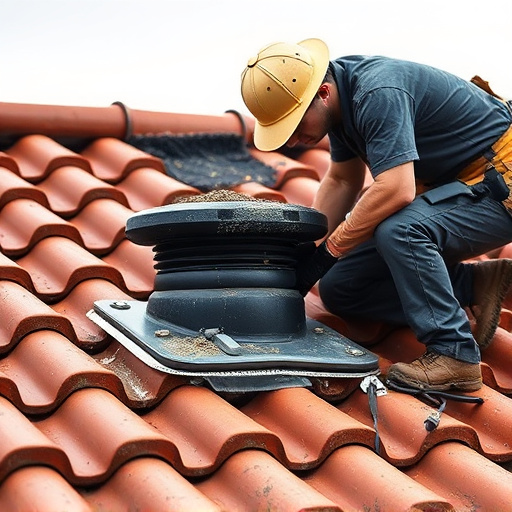
In southern Arizona, many homes feature either flat or foam roofs, designed to withstand the region's unique climate. However, these roofing systems face specific challenges, from intense sunlight causing sun damage to extreme weather events leading to leaks and punctures. Leaks can be particularly insidious, often stemming from hard-to-spot areas like roof valleys or underlayment, causing water damage that can weaken the structure. A critical component of maintenance and safety, prompt roof repairs not only extend the life of these roofs but also prevent costly replacements. This guide examines the intricacies of repairing both flat and foam roofs, offering expert insights on everything from identifying leak sources to effective patch and repair techniques, including specialized considerations for patio cover roof repairs unique to the Oro Valley area.
- Assessing Flat and Foam Roof Damage in Southern Arizona
- Tools and Materials for Patio Cover Roof Repair
- Step-by-Step Guide to Natural Foam Roof Repair
- Ensuring Longevity: Maintenance Tips for Flat and Foam Roofs
Assessing Flat and Foam Roof Damage in Southern Arizona
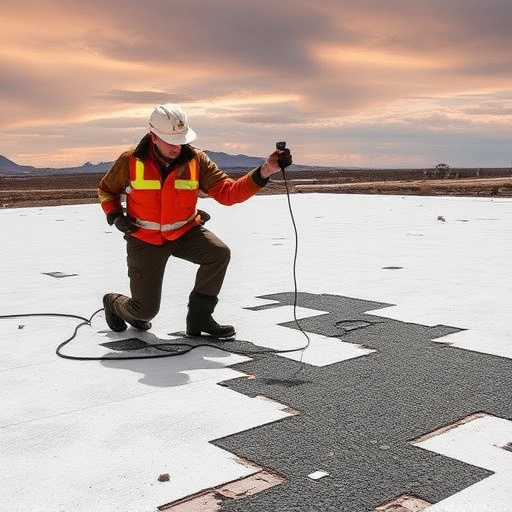
Assessing damage to flat and foam roofs in southern Arizona requires a nuanced understanding of the unique challenges posed by the region's climate and local building practices. In this environment, both flat roofs, common in residential and commercial properties, and foam roofs, often found on patios and covers, are particularly susceptible to UV damage, a leading cause of leaks and other issues. The intense sun exposure can degrade the integrity of the underlayment and flashing, leading to problems that mimic cracked tiles or broken shingles.
DC Roofing of Arizona, a local roofing contractor specializing in Oro Valley, has extensive experience in identifying these subtle indicators of roof damage. We start with a meticulous inspection, looking for signs of water intrusion, discolored or curled underlayment, and loose or missing counter flashing. These are crucial steps in preventing more serious and costly problems down the line. A patio cover roof repair may seem like a simple fix, but neglecting it can lead to widespread interior damage from leaking water. In the Canada Hills area, where homes often feature both flat and foam roofs, we've seen cases where inadequate initial repairs have resulted in extensive water damage and structural issues.
Our expertise lies in not only repairing these damages but also in recommending the most effective solutions for each specific case. For flat roof leaks, we may opt for patching the underlayment or, in more severe cases, recoating the entire surface to extend the life of the existing roof. Foam roof punctures, often caused by foot traffic or falling debris, are typically repaired by filling the hole and re-insulating the affected area. In all cases, we prioritize long-term solutions that match the original materials and design, ensuring the roof performs as intended and withstands the harsh desert conditions.
Tools and Materials for Patio Cover Roof Repair
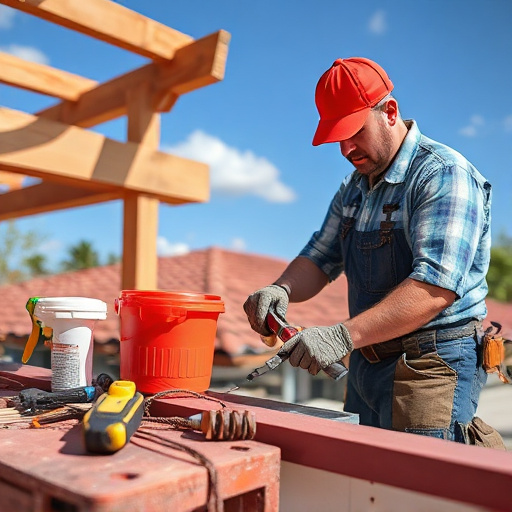
When repairing a patio cover roof in Oro Valley, specifically designed for the region's climate and common building materials, you'll need the right tools and materials. This process often involves addressing leaks, which can manifest as ceiling stains, a clear sign of moisture intrusion. Before beginning, assess the damage with a moisture meter to pinpoint the source and extent of the issue. A local roofing company serving Oro Valley recommends a systematic approach to ensure a durable fix.
A common patio cover roof repair involves replacing or patching damaged or missing shingles. This may include removing loose or cracked tiles, underlayment patching, and re-securing the underlayment to the deck. Inspect the flashing around chimneys, vents, and the wall-to-roof junction for signs of wear and tear. Repair or replace worn areas to prevent future leaks, a key strategy recommended by experts to avoid costly and damaging ceiling stains.
In the case of foam roofs, puncture repair is a specialized task. These roofs are particularly susceptible to damage from falling objects or construction work. A licensed roofer will use tools like a utility knife for cutting away damaged foam and a putty knife for applying new sealant or a specialized foam patch kit. For larger repairs, a professional might opt for a complete recoat, a process that involves thoroughly cleaning the existing foam, applying a new layer, and ensuring a seamless, water-tight surface.
In all cases, ensuring the compatibility of materials is crucial, especially when matching discontinued tiles or dealing with unique Oro Valley HOA requirements. Using high-quality, weather-resistant materials designed for the desert climate guarantees a longer-lasting repair. Regular maintenance, including checking for loose fasteners and inspecting for signs of wear, can significantly extend the life of your patio cover roof, saving you from costly, emergency repairs.
Step-by-Step Guide to Natural Foam Roof Repair
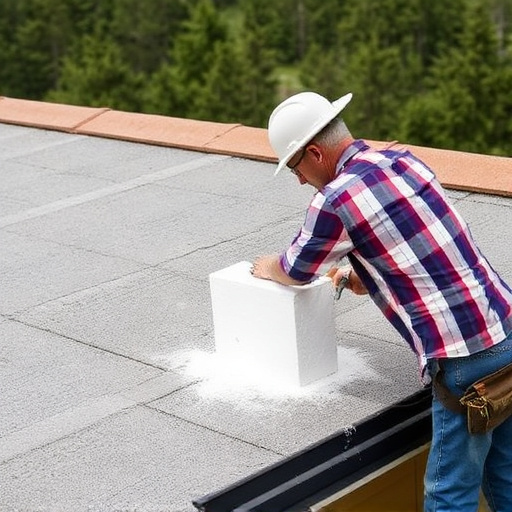
Repairing flat and foam roofs, a common necessity in southern Arizona, particularly in areas like Rancho Vistoso, requires a thoughtful, step-by-step approach. When addressing a patio cover roof repair, naturally, the first step is thorough inspection. Look for signs of damage, such as cracks, punctures, or leaks, and assess the extent of the issue. This process often reveals the root cause, whether it's an aging roof, poor installation, or weather-related wear and tear.
For natural foam roofs, the repair process involves a few key stages. Start by removing any loose or damaged material, including deteriorated foam and underlayment. Next, patch the affected areas using appropriate materials designed for the specific foam type. In many cases, elastomeric coating can be applied to seal the repairs and extend the life of the roof. A licensed Oro Valley area roofing contractor might recommend this method for small to medium-sized holes, as it offers a durable and water-resistant solution.
Once the patches are in place, it's crucial to re-install any scuppers that may have been displaced during the repair process. These drainages are vital for ensuring proper water runoff and preventing future leaks. After the repair is complete, perform a final inspection, checking for any signs of leaks or remaining damage. If the patio cover roof repair was extensive, consider consulting with a roofing expert to discuss the overall health of your roof and whether replacement might be in the future. This proactive approach can help extend the life of your roof and avoid costly, unexpected repairs.
Ensuring Longevity: Maintenance Tips for Flat and Foam Roofs
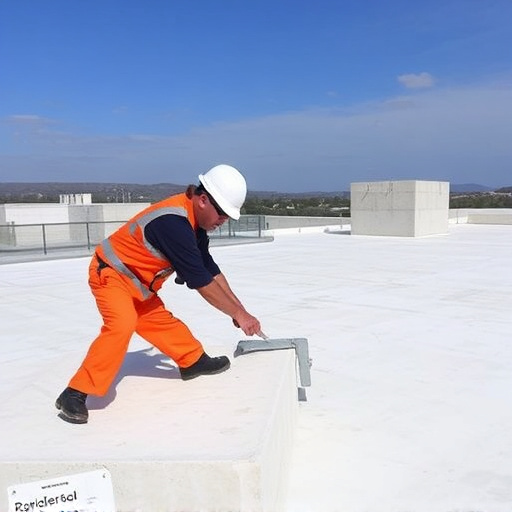
Maintaining flat and foam roofs, common in southern Arizona, is crucial for protecting your home and ensuring its structural integrity. These low-slope roofs, characterized by their smooth surface and lack of slopes, require specific care to prevent leaks and prolong their lifespan. One of the most effective ways to achieve this is through regular inspection and maintenance, focusing on key components such as ridge caps and canales.
A licensed Arizona roofer recommends inspecting these areas for signs of wear and tear, especially at points of vulnerability like joints and flashings. Felt paper, a common underlayment, can become damaged or loose over time, creating entry points for water. Regular patching and replacement of this material can prevent leaks and extend the roof's life. In the case of flat roofs, consider the condition of the drain and downspout system. Clogged or malfunctioning drains can lead to water pooling, putting additional strain on the roof and increasing the risk of damage. Cleaning and maintaining these systems is a simple yet vital step in roof care.
When addressing leaks, especially in patio cover roof repairs, a strategic approach is essential. Instead of merely patching, consider the overall health of the roof. For flat roofs, a patch-vs-reccoat decision depends on the extent of damage. Small repairs can often be effectively patched, but for larger issues, a complete recoat might be necessary. This process involves applying a new layer of coating over the existing surface, providing a fresh seal against leaks. For foam roofs, puncture repairs are critical. These roofs, known for their durability, can still suffer damage from falling debris or construction activities. Prompt repair of punctures, using materials specifically designed for foam roofs, can prevent more significant problems.
Maintaining proper ventilation and ensuring that ridge caps and canales are in good condition year-round are vital. Ventilation reduces the roof's temperature, minimizing the risk of heat-related damage and extending the lifespan of the entire structure. Regular maintenance, combined with timely repairs, will not only protect your home's investment but also ensure the safety and comfort of its occupants.
Frequently Asked Questions About a guide to repairing flat and foam roofs common in southern Arizona
What are the most common types of flat and foam roofs in southern Arizona? The most prevalent roof types in the region are flat roofs constructed with bitumen or EPDM (ethylene propylene diene monomer) membranes, and foam roofs typically made from polyurethane or polyisocyanurate. These materials are well-suited to the area's climate, offering durability and insulation benefits.
How can I tell if my flat roof needs repairing? Look for signs like cracks, blisters, or leaks. Also, check for loose or missing shingles, as these can compromise the roof's integrity. Regular inspections can help identify minor issues early on, making repairs more manageable and cost-effective.
What is the typical process for repairing a flat roof? First, inspect the entire roof for damage. Then, replace any faulty materials, ensuring proper sealing. For foam roofs, this might involve patching or replacing sections with new foam. With bitumen membranes, repairing involves cleaning, applying a new layer, and sealing the area.
Are there specific safety considerations for repairing foam roofs? Yes, working with foam roofs requires caution. The material can be slippery when wet, so ensure you wear appropriate safety gear, including gloves and a hard hat. Proper ventilation is also crucial when repairing foam roofs to avoid inhalation of any toxic fumes.
Can I repair a flat or foam roof myself, or should I hire a professional? While some DIY repairs are possible for minor issues, most roof repairs are best left to professionals. Roofing work can be hazardous, and the right tools and knowledge are essential for safe and effective repairs. A licensed contractor ensures your roof is repaired correctly, extending its lifespan.
What should I do if my flat roof is severely damaged or leaking extensively? In cases of extensive damage or leaks, it's advisable to contact a roofing contractor immediately. Severe issues may require a complete roof replacement or extensive repairs, best handled by experts. Prompt action can prevent further damage and costly repairs.
Repairing flat and foam roofs in southern Arizona, as discussed in this guide, is a critical step in maintaining your home's integrity, especially in our arid climate. By understanding the unique challenges posed by felt paper roofs, you can effectively assess damage, from cracked tiles to underlayment leaks, and implement tailored solutions.
Our exploration has highlighted the importance of early detection for preventing catastrophic failures. Regular inspection, combined with quick response to small issues, can save you from costly, time-consuming repairs. The article has provided a practical toolkit for both homeowners and contractors, encompassing everything from the necessary materials for patio cover roof repair to step-by-step foam roof repairs.
The focus on maintenance tips ensures that your roof remains durable and leak-free for years to come. By following these guidelines, residents of felt paper-dominated southern Arizona can extend the lifespan of their roofs and protect their homes from the elements. This authority guide equips you with the knowledge to make informed decisions, ensuring your roof is in top condition.
Repairing flat and foam roofs in southern Arizona, particularly in Oro Valley, requires understanding local climate and building practices. DC Roofing of Arizona emphasizes nuanced inspection for damage, using moisture meters, and addressing leaks systematically. For patio cover roofs, this includes replacing missing shingles, patching underlayment, and repairing flashing. Foam roofs, common in areas like Rancho Vistoso, require specialized puncture repairs using compatible materials. Regular maintenance, including checking for loose fasteners and scuppers, extends roof life. Proactive inspection and strategic repairs prevent costly, unexpected damage.