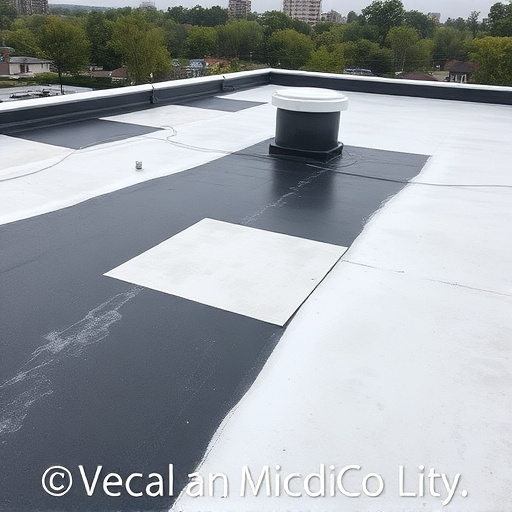
In the arid climate of Oro Valley, desert homes are particularly susceptible to sun damage, which can manifest as flashing, parapet, and stucco repairs. These issues often go unnoticed until they escalate, leading to more extensive and costly repairs. Understanding how to address these problems proactively is crucial for homeowners, as neglecting them can result in roof leaks, interior damage, and even structural instability. This article provides a practical guide to identifying and repairing these common sun-related damage points, offering practical tips and expert insights to help you maintain a secure and resilient home environment. By the end, you'll be equipped to recognize the signs of distress and take appropriate measures, ensuring your desert home stands strong against the elements.
- Understanding Sun Damage and Its Impact on Stucco
- Identifying Flashing Issues: Signs of Trouble
- Repairing Parapets: Step-by-Step Guide
- Natural Solutions for Stucco and Flashing Restoration
Understanding Sun Damage and Its Impact on Stucco
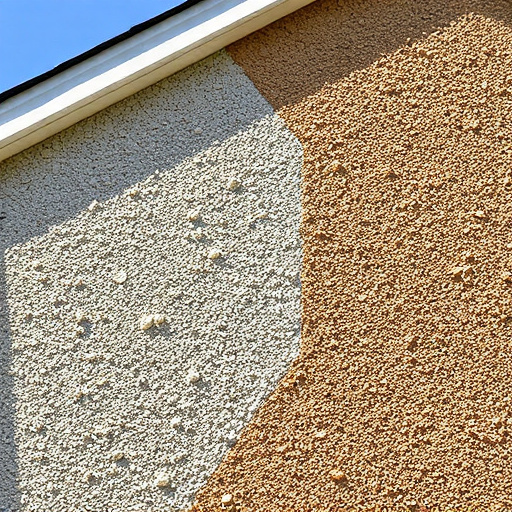
The sun, a constant in our desert climate, brings both life and challenges for homeowners. For maintaining your Oro Valley home, understanding sun damage and its impact on stucco is crucial. Stucco, a popular exterior cladding, is highly susceptible to sun damage due to its porous nature. Over time, prolonged sun exposure can lead to cracks, spalling, and discoloration, significantly compromising the aesthetic appeal and structural integrity of your home.
An experienced Oro Valley roof specialist notes that sun damage manifests in several ways. The most common issues include surface disintegration, where the stucco's finish erodes, revealing an underlying network of cracks. This not only affects the visual appeal but also creates entry points for water, leading to potential structural damage and mold growth. Another concern is spalling, where the stucco itself flakes off in pieces, leaving behind gaps that require immediate attention. To mitigate these issues, regular inspections are key. Homeowners should be vigilant about checking their stucco for any signs of damage, especially in areas exposed to direct sunlight. Early detection allows for prompt repairs, preventing small issues from escalating into costly problems.
To address sun damage, repairs typically involve a combination of techniques. One effective approach is the application of elastomeric coatings, which act as a protective barrier against UV radiation. These coatings fill in existing cracks and create a seamless finish, enhancing the stucco's durability. Replacing damaged or missing ridge caps and ensuring proper flashing and eaves installation can significantly reduce sun-related damage. Ridge caps protect the upper edges of the roof, preventing direct sunlight from heating and drying out the stucco. Flashing, when correctly installed, forms a watertight seal around various roof penetrations, including chimneys and vents, minimizing the risk of water intrusion and subsequent stucco damage.
Identifying Flashing Issues: Signs of Trouble
Flashing, parapet, and stucco repairs are critical components of maintaining a desert home's roof, addressing issues that can lead to significant damage if left unaddressed. For identifying flashing issues, homeowners in Oro Valley should be vigilant for signs of trouble that often go unnoticed until the problem escalates. Cracked or slipped tiles, for instance, can signal weak underlayment, a common cause of leaks. An Oro Valley HOA (Homeowners Association) might enforce strict building codes, but even the most well-maintained roofs age over time, making regular inspections essential.
One of the first signs of sun-damaged roof repair needs is the failure of flashing, the thin layers of material that seal joints and protect against water intrusion. Over time, flashing can become corroded, torn, or simply deteriorate from exposure to the harsh desert environment. A roofing contractor serving Oro Valley and Marana will often recommend inspecting the flashing around chimneys, vents, and the roof's edge, where it meets the wall. If you notice any slipped or cracked flashing, or see evidence of water pooling, it's crucial to address the issue promptly.
Stucco and parapet flashing repairs are particularly important for protecting against water damage. Stucco, commonly used in desert climates for its durability and aesthetic appeal, requires proper sealing to prevent water penetration. Parapet flashing, which guards the top edge of walls, is equally vital. Neglecting these repairs can lead to not only sun-damaged roofing but also compromised structural integrity, as water intrusion can weaken walls and foundations. Regular maintenance, including re-sealing and replacement as needed, is key to preserving the investment in your home.
Repairing Parapets: Step-by-Step Guide
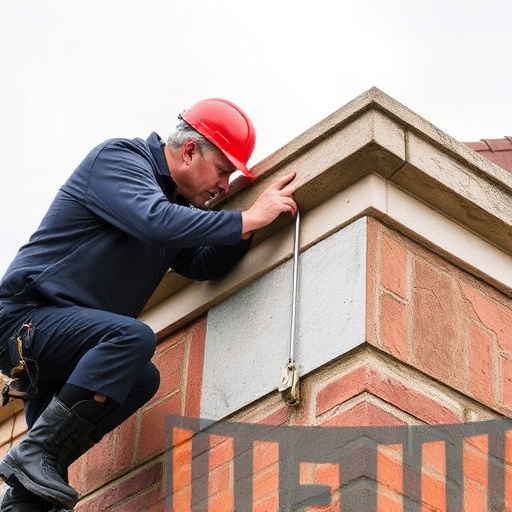
When sun damage starts to show on your desert home's roof, it's often the parapet, flashing, and stucco that give away the struggle. These exterior elements are crucial for protecting your roof and home from the harsh desert environment. Let's break down how to address these repairs, focusing on a step-by-step guide for parapet repairs, a common issue in Oro Valley.
Parapets: The First Line of Defense
Parapets, the vertical walls that run along the edges of your roof, act as a final barrier against the elements. Over time, sun damage can cause slipped tiles, water penetration, and even ceiling stains. These issues aren't always visible from the ground, but they can lead to serious structural problems if left unaddressed. The good news is, repairing your parapet is a relatively straightforward process that can be done by an experienced Oro Valley roof specialist.
Step-by-Step Guide to Parapet Repairs
- Inspection: Start by thoroughly inspecting the entire parapet. Look for any loose or slipped tiles, damaged flashing, cracks, or signs of water damage. This step is crucial as it determines the extent of the repairs needed.
- Materials: Gather the necessary materials, including new tiles (matching your existing if possible), flashing, caulk, and a waterproof sealant. Remember, quality materials are essential for long-lasting repairs.
- Remove Damaged Components: Carefully remove any loose tiles and damaged flashing. If there are significant cracks or water damage, it might be necessary to replace entire sections of the parapet.
- Prepare the Surface: Clean the parapet surface, removing any dirt, debris, or old caulk. This ensures a strong bond for your new materials.
- Install New Flashing: Apply new counter flashing (a secondary layer of protection) along the base of the parapet. This step helps prevent water from seeping behind the tiles.
- Secure New Tiles: Carefully set new tiles in place, ensuring they're level and secure. Use appropriate fasteners and follow local building codes.
- Seal and Protect: Apply a waterproof sealant along the edges of the tiles and any seams. This step further protects against sun damage and water penetration.
By addressing these repairs, you're not only enhancing the aesthetics of your home but also ensuring the longevity of your roof. Regular maintenance, including quick action on sun-damaged areas, is key to preventing more serious and costly repairs down the line.
Natural Solutions for Stucco and Flashing Restoration
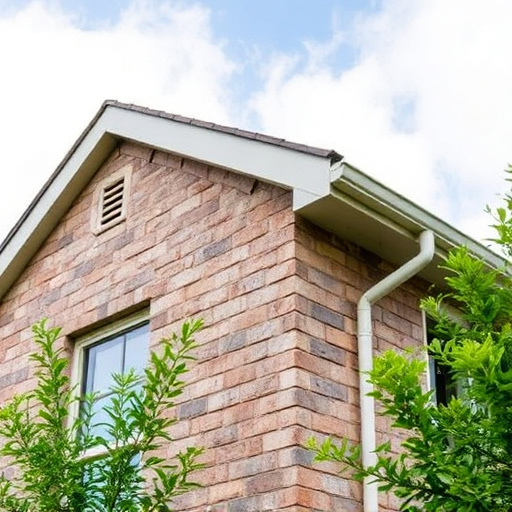
In the arid climate of the Catalina Foothills, sun-damaged roofs pose a significant challenge for homeowners. Among the many concerns, flashing, stucco, and parapet repairs top the list. These repairs, when neglected, can lead to severe water damage and structural issues. However, addressing these problems doesn't have to be a complicated or costly endeavor. An experienced Oro Valley roof specialist recommends a natural, proactive approach to these repairs, focusing on long-lasting solutions that complement the unique desert environment.
Flashing, a thin layer of waterproof material, is crucial in preventing water intrusion around roof valleys, chimneys, and other openings. Over time, flashing can become damaged or dislodged, allowing water to seep in and cause extensive damage. A natural solution involves re-evaluating and reinforcing the existing flashing, rather than outright replacement. This can include adding counter flashing-a secondary layer-for added protection. By examining the structure and conditions, a specialist can identify weak points and implement tailored repairs, ensuring the longevity of the roof.
Stucco, a popular exterior finish in desert homes, is susceptible to sun damage, especially when exposed to direct sunlight for extended periods. As a result, cracks and peeling can occur, inviting water penetration. A natural repair method involves repairing or replacing damaged sections of stucco, using locally sourced, weather-resistant materials. This not only restores the aesthetic appeal but also maintains the energy efficiency of the home. A specialist might recommend a thicker, more reflective stucco to reflect the intense desert sun, reducing heat transfer and cooling costs.
Parapets, protective barriers at the roof's edge, often require attention due to sun damage and wear. Repairs can involve patching, re-fastening, or even replacing damaged sections. An expert might suggest natural, environmentally friendly materials that blend with the existing structure. Using locally sourced stone or wood for repairs can enhance the curb appeal and provide a durable, sun-resistant finish. By combining traditional methods with modern, sustainable materials, an Oro Valley roof specialist can ensure the roof not only looks good but also stands the test of time in the challenging desert climate.
Frequently Asked Questions About an Explainer on Flashing, Parapet and Stucco Repairs on Desert Homes
What is the importance of flashing in desert home roofing?
Flashings are critical components that seal joints and openings in a roof system, preventing water infiltration. In desert climates, where extreme temperatures and intense sunlight are common, proper flashing installation is essential to protect against leaks. It shields vulnerable areas like valleys, chimneys, and roof penetrations from moisture, ensuring the longevity of the roofing material and the structural integrity of the building.
How do I know if my parapet needs repair?
Parapets, the vertical walls that surround the perimeter of a roof, are susceptible to damage from wind, hail, and extreme temperature fluctuations. Signs of parapet damage include cracks, bulges, or uneven surfaces. If you notice any of these issues, it's crucial to have a professional inspect the parapet to determine the extent of the repair needed, which may range from simple patching to complete replacement.
What is stucco and why does it require repairs?
Stucco is a popular exterior cladding material known for its durability and aesthetic appeal. However, it's not indestructible. In desert environments, stucco can crack due to thermal movement, settle over time, or become damaged by extreme weather events. Regular inspections and timely repairs, including patching, reglazing, or re-stuccoing, are necessary to maintain the structural integrity of stucco finishes and prevent water penetration.
Can I DIY flashing, parapet, or stucco repairs?
While some minor repairs, like simple patching, might be manageable for DIY enthusiasts, complex flashing installations, parapet repairs involving structural elements, or significant stucco damage are best left to licensed professionals. These tasks require specialized skills, knowledge of local building codes, and access to appropriate tools and materials. Attempting these repairs without proper training can lead to further damage and compromise the building's safety.
How often should I inspect my desert home's roofing for repairs?
Regular inspections are crucial for maintaining the health of your desert home's roofing system. It's recommended to conduct a thorough visual inspection at least twice a year, focusing on signs of damage from water, mold, pests, and extreme weather. This proactive approach allows for the early detection of issues, making repairs more manageable and cost-effective.
What are the typical costs associated with flashing, parapet, and stucco repairs?
The cost of these repairs can vary widely depending on the extent of the damage and the specific materials used. Minor repairs, like patching, might cost a few hundred dollars, while complex flashing installations or major parapet or stucco repairs could range from several thousand dollars. Obtaining quotes from licensed, experienced contractors is essential to get an accurate understanding of the costs involved.
As the sun's intense rays beat down on desert homes, understanding the unique challenges of sun-damaged stucco and flashing is crucial for any homeowner. This article has provided an in-depth guide to identifying and repairing these issues, emphasizing the importance of proactive maintenance. By recognizing the signs of flashing problems and learning practical step-by-step repairs for parapets and stucco, homeowners can now take control of their roof's health.
The key takeaway is that many sun-related damages can be mitigated through regular inspections and natural restoration techniques. Matching discontinued roof tiles and repairing water-damaged decking are cost-effective solutions. The article highlights the value of a professional's expertise, especially when dealing with plumbing vent leaks or complex ridge cap repairs.
With a better understanding of sun-damaged roof repair naturally, homeowners can now make informed decisions, ensuring their desert homes remain protected and aesthetically pleasing for years to come.
Summary:
In the harsh desert climate of Oro Valley, sun damage to roofs is a common concern. Stucco, a popular exterior finish, is particularly susceptible to cracks, spalling, and discoloration from prolonged sun exposure. Regular inspections are crucial to detect early signs of sun damage, such as surface disintegration and spalling, allowing for prompt repairs.
Repairs involve several techniques, including:
- Elastomeric coatings for protective UV barrier and durability.
- Replacing damaged ridge caps and ensuring proper flashing and eaves installation to minimize water intrusion.
Key aspects for homeowners:
- Monitor flashing for cracks or slipped tiles, especially around chimneys and vents.
- Regularly inspect stucco for signs of damage and address issues promptly.
- Implement natural, long-lasting solutions like reinforcing flashing, using sustainable materials for stucco and parapet repairs.
By addressing sun-damaged roof repairs naturally and proactively, homeowners can preserve their Oro Valley homes' structural integrity, energy efficiency, and aesthetic appeal.