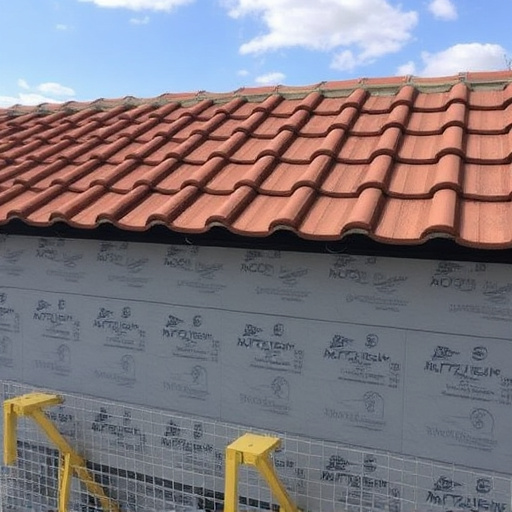
In the dry climate of felt paper, roofing leaks can be both unexpected and damaging. As a homeowner, identifying the true source of a leak is crucial-ignoring it can lead to bigger, costlier problems. Leaks can stem from various issues, from cracked and slipped tiles to faulty underlayment or even bird and pest damage. This guide is designed to empower you, the homeowner, to navigate the complex world of roof repairs. We'll walk you through the process of finding the real source of your leak, from basic inspections to understanding common issues like sun damage and gutter repairs in desert homes. By the end, you'll be equipped to make informed decisions about maintaining your Oro Valley roof.
- Inspecting Your Roof: Signs of Damage
- Common Causes: Leaks Beyond the Obvious
- Natural Solutions: Bird & Pest Prevention
- Professional Help: When DIY Fails
Inspecting Your Roof: Signs of Damage
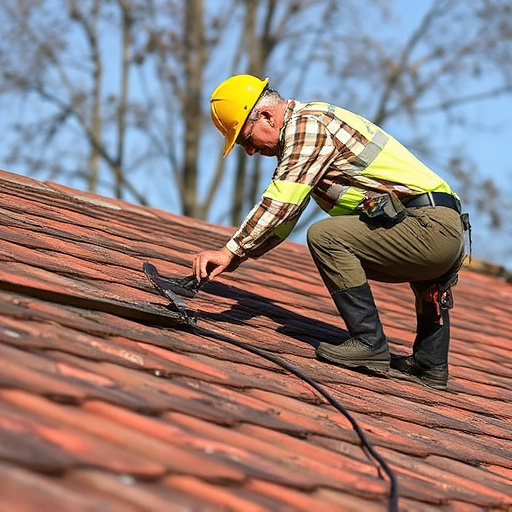
Inspecting your roof is a crucial step in identifying the source of a leak, especially in areas like Oro Valley where extreme weather, including strong winds and intense sun, can cause damage. Bird and pest roof damage is a common issue, particularly in the Catalina Foothills region, where rodents, birds, and insects can find their way onto your roof, leaving droppings and nests that weaken the structure. This can lead to leaks, especially if the debris clogs gutters or drains, creating standing water that seeps into the underlayment and sheathing.
As you climb up or use a ladder to inspect your roof, look for cracks in the tiles, which can be a sign of aging or impact damage. Cracked or slipped tiles are a clear indication of potential problems, as water can easily penetrate these openings. Check the underlayment for any signs of moisture or mold, as these are strong indicators of a leak. Look along the ridges and valleys of your roof, as these areas are particularly vulnerable to leaks, especially if the ridge cap or hip tiles are damaged or missing. An experienced Oro Valley roof specialist recommends using a flashlight to inspect these hard-to-reach areas, as it can reveal hidden damage or moisture buildup.
To visual inspections, listen for unusual noises, such as creaking or rustling, which could point to bird or pest activity. Check the condition of your gutters and downspouts, as clogging or damage can cause water to back up and leak into the roof. The local Desert Homeowners Association recommends regular maintenance, including cleaning gutters and inspecting roof components, to prevent small issues from becoming major repairs. A simple bird stop replacement or a patch job on a flat roof can be a fraction of the cost of a full roof replacement, which can last for decades with proper care. Remember, addressing leaks early, whether from cracked tiles, plumbing vents, or bird damage, is crucial to maintaining the integrity of your home's roof and avoiding costly repairs.
Common Causes: Leaks Beyond the Obvious
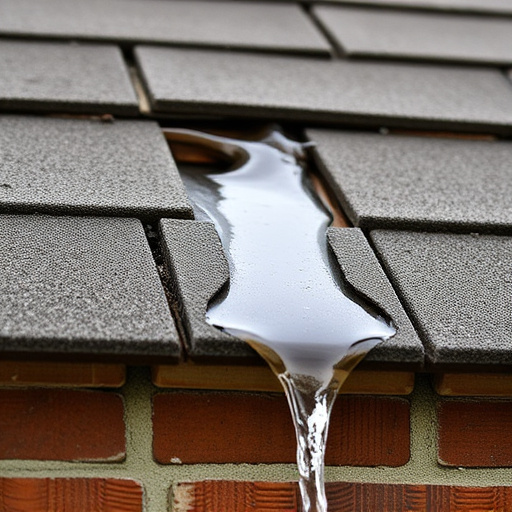
Roof leaks can often seem like a straightforward issue, but many homeowners are surprised to discover the true source of their problem once a professional inspects their property. While it might be easy to pinpoint a missing shingle or a damaged flashing as the culprit, there are numerous causes for leaks that require a closer look. In fact, a significant portion of roof leaks in Oro Valley are not due to visible damage but rather hidden issues like inadequate flashing, deteriorating ridge caps, or even bird and pest roof damage.
One common, yet often overlooked, problem is the deterioration of ridge caps and flashing. These components play a crucial role in protecting the vulnerable junctions of your roof. Ridge caps, for instance, cover the peaks where two roof planes meet, preventing water from seeping in through the gaps. Over time, these can become damaged, cracked, or worn down, especially in areas with extreme temperature fluctuations. Flashing, too, which is designed to seal the joints between materials and prevent water intrusion, can become compromised. This might occur around chimneys, vents, or other penetrations in the roof. An experienced Oro Valley roof specialist will inspect these areas meticulously, as even a small breach can lead to persistent leaks.
Another less obvious culprit is bird and pest roof damage. Birds, squirrels, and other critters can find their way into roofs through small openings, nests, or even damaged flashing. Their presence can cause significant problems, from creating new entry points for water to leaving behind waste that deteriorates roofing materials. Bird droppings can weaken felt paper, leading to leaks, and their nests can block roof drains, causing water to back up and enter the building. Regular inspections and proper sealing can prevent these issues, but a homeowner might not realize the extent of the problem until a leak starts.
To prevent these hidden leaks, it's crucial to maintain your roof with regular inspections and timely repairs. Consider implementing an elastomeric coating, which can provide an extra layer of protection against water penetration and extreme weather. Also, ensure that all ridge caps and flashing are in good condition. A 24/7 emergency roofer or leak detection expert can assist in identifying and repairing these issues before they turn into costly, time-consuming problems. Remember, addressing small repairs promptly can save you from more significant-and costly-repairs down the line.
Natural Solutions: Bird & Pest Prevention

Bird and pest damage to roofs is a common problem, especially in areas with warm climates and abundant natural resources. These intruders can cause significant damage, from puncturing the roof membrane to damaging the underlayment and even the structure itself. Homeowners often wonder how to stop bird and pest roof damage naturally, especially when dealing with persistent issues that require more than a simple birdhouse or scarecrow.
Regular inspections are key to identifying these issues early. One useful tool is a moisture meter, which can pinpoint areas of high humidity or water penetration, often signs of damage from birds or pests. A persistent leak in the same spot could indicate a nest or a hole from a bird looking for water. Examining the roof for UV damage, often visible as light spots or blisters, can point to areas that birds might be targeting for nesting. Homeowners should also pay close attention to cracked tiles or any signs of slippage, as these weak points can be exploited by determined pests.
Preventative measures are the best approach to dealing with bird and pest roof damage naturally. This includes sealing any gaps or openings, ensuring proper ventilation to reduce humidity, and using reflective materials or designs that deter birds. Reflective tape or specialized roof coatings can make the surface less appealing for nesting. Regular cleaning and maintenance, such as removing bird droppings and nests, can also help. If the damage has already occurred, a licensed Arizona roofer can provide expert solutions, such as repairing or replacing damaged shingles or installing more robust protective measures, to ensure the roof is secure and watertight.
In the case of severe infestations or persistent issues, professional assistance is recommended. Experts can identify the specific birds or pests causing the problem and implement tailored solutions, such as humane trapping or the installation of bird guards and screens. By addressing these issues proactively, homeowners can prevent small repairs from turning into major, costly renovations due to neglected bird and pest roof damage.
Professional Help: When DIY Fails

When DIY efforts to identify and fix a roof leak prove unsuccessful, it's time to turn to professional help. Many homeowners attempt temporary fixes or attempt to pinpoint the source of a leak themselves, but these efforts can be futile, leading to further damage and more costly repairs down the line.
Professional roofers, like those at DC Roofing of Arizona, have the expertise and tools to detect even subtle leak sources. Unlike DIY methods that might mask the true issue, professionals employ advanced leak detection techniques to identify problem areas, such as roof penetrations, where pipes, vents, or satellite dishes meet the roof. These leak sources can be hidden, causing persistent, hard-to-trace problems, especially in the case of bird and pest roof damage. Once located, these problem areas can be addressed effectively, preventing further damage and water intrusion.
A homeowner might notice a small puddle forming on the ceiling, but without professional knowledge, they might not realize that the leak originates from a damaged flashing flange or a loose shingle, allowing water to seep into the attic and cause water damage, mold growth, and even structural damage. The team at DC Roofing of Arizona, equipped with advanced tools like moisture meters and infrared cameras, can pinpoint these issues. They understand the common culprits behind roof leaks, from weather-related damage to aging or improperly installed materials, and have the skills to assess, repair, or replace the affected areas, ensuring the long-term integrity of your roof.
Frequently Asked Questions About a Homeowner Guide to Finding the Real Source of a Roof Leak
What should I do if I suspect a roof leak?
If you suspect a roof leak, the first step is to inspect your home, especially areas with visible signs of water damage or stains. Look for dripping or wet spots, especially around windows, doors, and ceilings. Check your attic for water spots or mold growth. Document the symptoms and take photos for reference. Then, contact a licensed Oro Valley area roofing contractor, like DC Roofing of Arizona, for a professional assessment. They can help pinpoint the source and provide expert repair solutions.
How can I determine if the leak is from my roof or another source?
Leak sources can be tricky to pinpoint. Start by evaluating common sources like faulty or missing shingles, flashing issues around chimneys or vents, or damaged gutters. Check for signs of water intrusion from these areas. If the damage is localized to specific rooms or areas, it may indicate a plumbing or electrical problem instead. A thorough inspection by a roofing expert can help differentiate between roof and other potential sources.
What if I can't find the exact location of the leak?
Identifying the exact leak source can be challenging, especially in complex roofs. If you're unable to pinpoint the location, consider hiring a specialized roofing contractor who has advanced diagnostic tools, such as moisture meters and thermal imaging cameras. These tools can help locate the leak more accurately. They can also provide a detailed assessment of the entire roof to ensure all issues are addressed.
How can I prevent future roof leaks?
Regular maintenance is key to preventing roof leaks. Schedule annual inspections with a licensed roofer to check for wear and tear, loose shingles, or damaged flashing. Keep gutters clean and ensure proper drainage to prevent water pooling around your home. Repair or replace missing or damaged shingles promptly. These proactive measures can significantly reduce the risk of future leaks.
What should I do if the leak is causing structural damage?
Structural damage from a roof leak can be serious. If you notice signs of structural compromise, like warped or cracked walls, floors, or ceilings, contact a structural engineer for an assessment. They can evaluate the extent of the damage and recommend repairs. In the meantime, take measures to prevent further water intrusion, like covering the affected area with a temporary tarp, and consult with a roofing contractor to address the leak and structural issues.
As you've explored the diverse causes of roof leaks and learned effective prevention strategies, from inspecting for signs of damage to addressing bird and pest roof damage, it's clear that a proactive approach is key. By understanding common causes like missing or cracked tiles, faulty underlayment, and plumbing vent leaks, you're now equipped to identify potential issues early on. Natural solutions like gutter repairs tailored for desert homes and preventative measures against sun damage can significantly extend your roof's lifespan.
However, not all leaks are obvious, and when DIY efforts fail to resolve the problem, it's crucial to know when to seek professional help. Engaging a licensed Oro Valley roofing contractor, such as DC Roofing of Arizona, can provide specialized expertise, ensuring your roof is repaired correctly and comprehensively. These experts can also help you navigate the cost of roof repairs in Oro Valley and beyond, offering cost-effective solutions like patch versus recoat for flat roofs, or matching discontinued roof tiles to maintain your home's aesthetic.
By combining your newfound knowledge with professional guidance when needed, you can effectively find and fix the real source of a roof leak. This proactive approach not only protects your home from collapse and safety hazards but also prevents small repairs from turning into costly, time-consuming disasters. Remember, regular inspections and swift action against leaks, including those caused by bird and pest roof damage, are essential to maintaining your home's value and integrity.
Roof Leak Detection and Prevention in Oro Valley:
- Regularly inspect your roof for damage, especially in the Catalina Foothills area, where bird and pest activity is common.
- Look for cracked tiles, moisture, and damage along ridges and valleys. Use a flashlight to access hard-to-reach areas.
- Address leaks promptly to avoid costly repairs.
- Bird and pest roof damage is a significant issue, leading to water intrusion and structural problems.
- Preventive measures include sealing gaps, using reflective materials, and regular maintenance.
- For severe infestations, consult professionals who can implement humane trapping and protective screens.
- Turn to licensed Arizona roofers for advanced leak detection and tailored solutions, ensuring your roof's longevity.